


search
date/time

Sat, 10:00AM
light rain
8.0°C
S 15mph
light rain
8.0°C
S 15mph
 | Sunrise | 6:55AM |
| Sunset | 4:54PM |  |

Jeremy Williams
Deputy Arts Editor
@jeremydwilliams
P.ublished 23rd October 2026
arts
Albums: Boy In Space The Man WHO Lost It All
Tracks: Who's Crying When I'm Leaving?, Halloween, Sex, Drugs & Money, Stage Fright, Switcheroo, The Man Who Lost It All, The More I Learn, Timepiece, Spaghetti Western, Sitting Duck
Label: BLNK Music
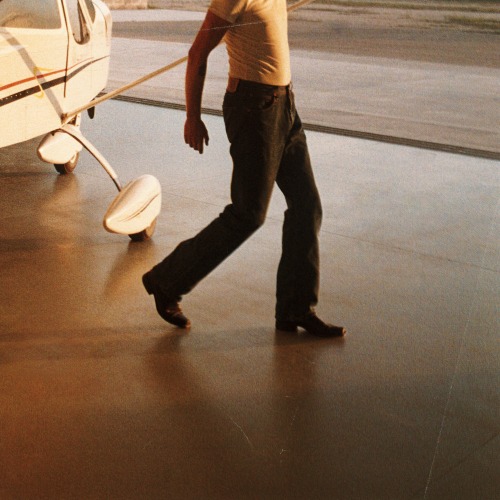
There is an unmistakable quality to Lundbäck’s vocal, with its delicate, slightly fragile delivery recalling Alec Benjamin, particularly when he leans into the conversational storytelling that has become such a defining part of his songwriting. Here, however, there is a greater sense of emotional openness. Themes of love, distance, regret and the passage of time run throughout the record, giving the impression of an artist finally allowing himself the space to explore the things that matter most.
Having released the majority of the album in various forms ahead of its arrival, loyal fans will already be familiar with much of what is on offer. Yet the real revelation is how much better these songs work together as a complete piece of work than they do as individual, radio-friendly bites. There is a natural flow to the sequencing, with shifts in mood and instrumentation feeling purposeful rather than simply designed to keep listeners engaged between singles. The result is a record that rewards listening from beginning to end, revealing new layers of meaning as its recurring themes begin to connect.
That is not to suggest that the album has abandoned its pop ambitions. Far from it. The anthemic Halloween feels like an obvious candidate for an immediate single release, boasting the kind of infectious energy that should translate effortlessly to radio and live audiences alike. Meanwhile, Switcheroo has all the ingredients of a huge international hit, pairing an irresistibly danceable arrangement with the emotional tension of a relationship slowly coming undone. It is a particularly effective example of Lundbäck’s ability to make complicated feelings sound deceptively effortless.
But while those bigger moments provide plenty of instant gratification, some of the album’s greatest strengths emerge when the arrangements become more restrained. The More I Learn is a beautiful reminder of just how affecting Lundbäck can be when he allows his voice and songwriting to take centre stage. There is an intimacy to the track that feels entirely at home within the album’s more reflective framework, demonstrating that his appeal extends well beyond the more immediate hooks of his pop output.
Then there is Spaghetti Western, which lands sonically somewhere between the record’s introspective moments and its more exuberant pop offerings. Bursting with colour and an almost unrestrained sense of joy, it is without doubt the album highlight, capturing the playful musicality and emotional warmth that make Boy In Space such a compelling proposition. It is the kind of track that demands to be played again immediately, yet feels even more satisfying within the context of the record as a whole.
The title track, meanwhile, provides the album’s emotional centre of gravity, confronting the fear of looking back on life with regret. Elsewhere, Timepiece and Who’s Crying When I’m Leaving? explore the quieter damage caused by distance and the passage of time, adding further depth to a collection that consistently favours honest observation over easy answers.
Ultimately, The Man Who Lost It All feels like the sound of an artist growing into himself. The familiar pop sensibilities remain firmly intact, but there is a newfound confidence in the storytelling and a willingness to embrace vulnerability that gives the album its identity. Most importantly, despite the number of tracks already available to fans, there is not a single moment that feels like an invitation to skip ahead.
For Boy In Space, this is more than simply a debut album assembled from a successful run of singles. It is a cohesive, carefully considered collection that makes the case for experiencing his music as a whole, rather than in passing. Lundbäck has delivered a record that balances accessibility with genuine emotional substance. It is his most complete statement yet, and a compelling glimpse of what comes next.
Also by Jeremy Williams...
Albums: Hector Gannet The Great ShakedownKings of Leon, The Corrs & David Gray to join Robbie Williams and Fatboy Slim at Lytham Festival 2027Live Review: Eddi Reader, Garrick Theatre - LichfieldHarry Redknapp – My Life In Football And BeyondThe South Announce Remainder Of Tour Dates For 2026The shortened address for this article is: newspub.uk/121ez