


search
date/time

Sat, 4:00AM
broken clouds
10.3°C
E 1mph
broken clouds
10.3°C
E 1mph
 | Sunrise | 5:00AM |
| Sunset | 7:27PM |  |
P.ublished 20th June 2026
nature
British Garden Centres' Tips On Choosing The Right Compost For A Thriving Garden
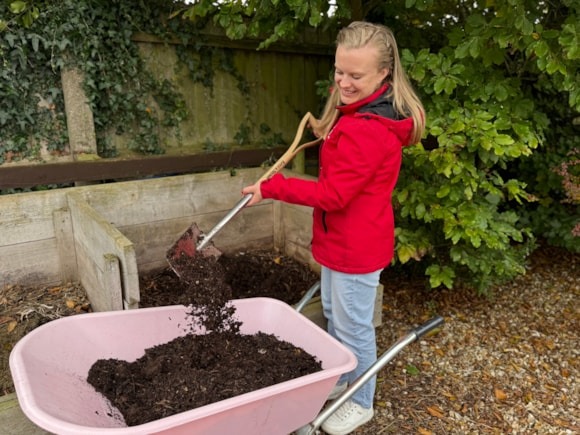
Eve with garden compost
Photo: BGC
Multi‑purpose compost
Multi‑purpose compost remains one of the most popular choices for gardeners because of its versatility. It can be used for sowing seeds, planting in borders, filling pots, and taking cuttings. Different blends offer varying levels of nutrients and water retention, meaning gardeners can select a mix that suits their specific needs. Some blends release water only when required, helping reduce the frequency of watering. Options include peat‑free mixes and blends containing John Innes, so it’s always worth checking the label to ensure you’re selecting the right formulation for your garden.
John Innes compost
The John Innes range is a trusted favourite among gardeners who want strong, healthy root development and long‑lasting results. These loam‑based composts contain horticultural sand, limestone, and added fertilisers, creating a stable, nutrient‑rich environment ideal for container growing. Each numbered formula is designed for a specific stage of plant growth:
John Innes No. 1: perfect for transplanting seedlings
John Innes No. 2: enriched for potting young plants and vegetables
John Innes No. 3: ideal for mature plants, shrubs, and trees
These mixes are especially suited to permanent plantings in pots, where long‑term structure and nutrient stability are essential.
Ericaceous compost
Ericaceous compost is specially formulated for acid‑loving plants such as rhododendrons, azaleas, camellias, heathers, and blueberries. These plants require a lower soil pH to absorb nutrients effectively. Ericaceous compost contains materials such as pine bark and peat substitutes that help maintain acidity while providing iron and micronutrients essential for healthy growth. Its airy, moisture‑retentive structure supports strong root development and vibrant flowering.
Potting compost
Potting compost is a lightweight, sterile mix designed for sowing seeds indoors or starting young plants. Its fine texture and excellent drainage protect delicate roots and encourage strong early growth. This makes it an essential choice for gardeners raising seedlings or growing houseplants.
Peat‑free compost
As sustainability becomes a priority for many gardeners, peat‑free compost has grown significantly in popularity. Peat extraction contributes to the depletion of UK peat bogs, so choosing peat‑free alternatives is an environmentally responsible choice. These composts are typically made from wood fibre, composted bark, coir, and green compost, often blended with grit or perlite to improve drainage and aeration. Peat‑free compost is excellent for containers, hanging baskets, and planters, and depending on the blend, can be used for sowing seeds, rooting cuttings, and growing a wide range of flowers and vegetables.
Farmyard manure
Well‑rotted farmyard manure is one of the most effective and economical ways to enrich garden soil. Packed with nitrogen, phosphorus, and potassium, it improves soil fertility, boosts microbial activity, and enhances moisture retention. It is ideal for preparing vegetable beds, mulching borders, and improving heavy soils.
Homemade compost
For gardeners looking to reduce waste and lower their carbon footprint, homemade compost is a rewarding and sustainable option. Grass clippings, leaves, cardboard, prunings, and kitchen peelings can all be transformed into a rich, crumbly soil conditioner. Whether using a simple heap, a compost bin, or a wormery, home composting adds valuable organic matter back into the garden and supports healthier soil ecosystems.
Julian Palphramand, Head of Plants at British Garden Centres, said: “Our goal is to make gardening accessible to everyone. By helping people understand compost, we’re giving them the tools they need to grow with confidence and enjoy the rewards of a thriving garden. Through our Make It Bloom campaign; we’re encouraging households nationwide to nurture their outdoor spaces and discover the joy of gardening.”
The shortened address for this article is: newspub.uk/11zvq
Search Results