


search
date/time

Sat, 10:00AM
broken clouds
15.9°C
S 3mph
broken clouds
15.9°C
S 3mph
 | Sunrise | 5:13AM |
| Sunset | 7:11PM |  |

Andrew Palmer
Group Editor
P.ublished 29th August 2026
arts
Review
Classical Music: Missy Mazzoli Breaking The Waves
Houston Grand Opera captures the anguish and ecstasy of Breaking the Waves
Music by Missy Mazzoli. Libretto by Royce Vavrek
Based on the film by Lars von Trier
Lauren Snouffer (Bess McNeill), Ryan McKinny (Jan Nyman), Maire Therese Carmack (Dodo McNeill), David Portillo (Dr Richardson), Michelle Bradley (Bess's Mother);
Houston Grand Opera Orchestra
Houston Grand Opera Chorus
conductor Patrick Summers
Patrick Summers, Conductor
Houston Grand Opera: HGO0003
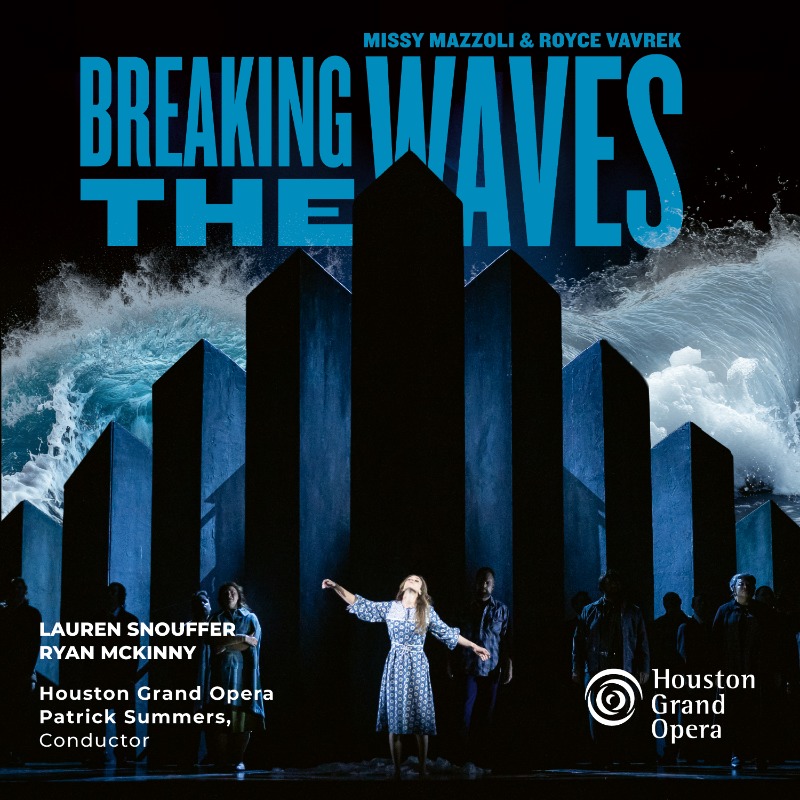
The opera, with a libretto by Royce Vavrek, is set in a remote, strictly Calvinist community on Scotland's west coast in the 1970s. Bess McNeill, devout and emotionally fragile, marries Jan Nyman, an outsider who works the North Sea oil rigs. Their marriage awakens her sexually and emotionally, until Jan is left paralysed by a rig accident. Convinced that his recovery is somehow bound up with her own obedience and faith, Bess is drawn into a spiral of increasingly self-destructive acts that end in a devastating act of sacrifice. It is a work built on emotional extremes held in uneasy balance, and Mazzoli's score is written to sustain both at once, often within a single bar.
Baritone Ryan McKinny is excellent as Jan, his control and his ability to bring the narrative to life are quite delectable, not least in Act Two Scene 3, "Love Will Keep Me Alive", where you feel entirely with him. Lauren Snouffer's soprano is imposing, superbly conveying the trials and tribulations of Bess. There are haunting moments too, not least at the end of Act One Scene 6, in the phone booth, where Snouffer's control and range are commanding, especially at the top of the voice, where she truly soars. Phrasing throughout the cast is superb.
The spoken chanting and rhythmic word-setting come across with real effect: the chorus's contribution in "The Accident", and again in Act Two Scene 3's "I Am Tired of Waiting", both show every performer deploying these techniques to strong dramatic purpose. Soprano Michelle Bradley as the Mother, mezzo-soprano Maire Therese Carmack as Dodo, and baritone Michael Mayes as the Councilman all bring the same emotional intensity to their smaller roles.
The denouement is where Mazzoli brings Vavrek's libretto most powerfully to life, especially in "You Deserve Your Place in Hell" and the epilogue, "I've Stolen You Back", where the writing grows almost unbearably tense as Jan chants "wait for me, Bess" before her body is carried away. Right to the close, Mazzoli conjures an effective and unsettling sound world, the tolling of a bell in the final minutes providing a suitably desolate full stop.
This is HGO's third release on its own label, a partnership with the London Symphony Orchestra's LSO Live, following the 2026 Grammy-winning recording of Intelligence. On this evidence, the label's ambitions for bringing bold American opera to a wider audience are well founded. It is a tour de force of a recording — and if a staged production ever comes within reach, do not hesitate.
Also by Andrew Palmer...
Classical Music: Stephen Hough's Piano PostcardsVoice Of The Voiceless: Lee Bainbridge Brings Brighton '84 HomeClassical Music: Paganini Violin ConcertoClassical Music: Cinquième Symphonie VierneClassical Music: Music for Violin & PianoThe shortened address for this article is: newspub.uk/120ql
Search Results