


search
date/time

Sun, 1:00AM
scattered clouds
10.9°C
ENE 4mph
scattered clouds
10.9°C
ENE 4mph
 | Sunrise | 5:00AM |
| Sunset | 7:27PM |  |
P.ublished 22nd August 2026
business
Defence Enquiry Surge Exposes Critical Gaps In UK Specialist Engineering Supply Chain, BEP Cautions
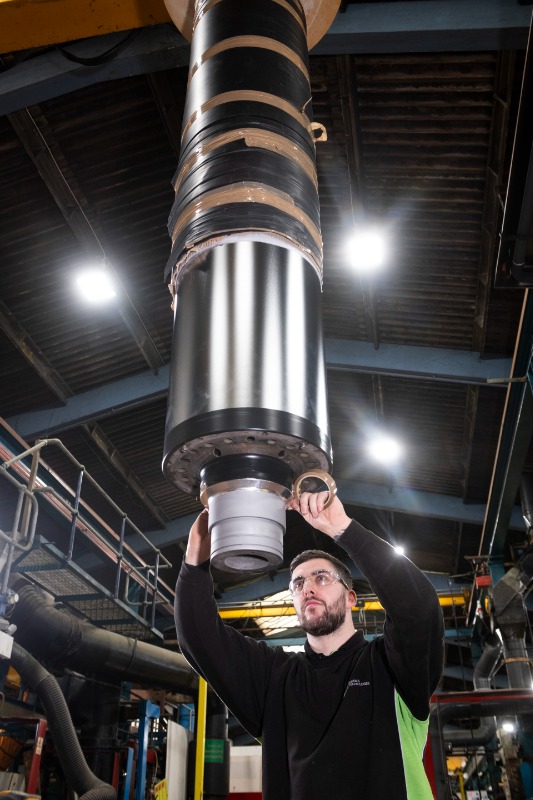
BEP Surface Technologies
Andrew McClusky, Managing Director of BEP Surface Technologies, said: "We are seeing a marked increase in defence enquiries. The significance lies in what those enquiries are telling us about the state of the wider supply chain.
"Defence manufacturers need specialist engineering capabilities, but the supplier base they have relied upon has reduced. There has been insufficient investment in some traditional engineering skills and capabilities over many years, and capacity cannot simply be recreated when demand suddenly increases."
BEP’s recent experience echoes its own research from earlier this year, which revealed a drop in independent electroplating businesses in the UK from 80 in 2015 to just 67 in 2025—a decline of over 16%.
At least seven of the remaining businesses were already insolvent or winding down when the research was conducted. BEP warned that the decline could undermine vital supply chains in defence, nuclear, aerospace, and power generation.
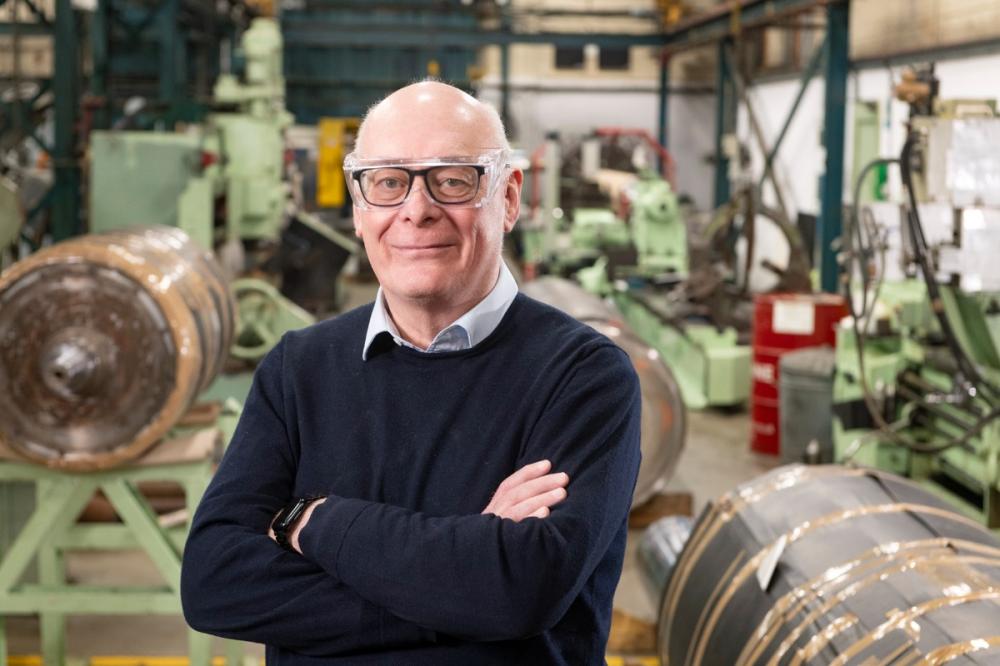
Andrew McClusky
"Grinding, plating and other specialist engineering processes may sit several tiers down a major supply chain, but they can be critical to the manufacture, refurbishment and continued operation of high-value components.”
He added: "The opportunity for British SMEs from increased defence expenditure is considerable, but we need to look beyond the headline spending figures. The question is whether the UK has sufficient specialist manufacturing capability to deliver the work."
However, McClusky said responding to increased defence demand is not simply a question of taking on more work. Specialist engineering SMEs face significant barriers to scaling capacity, including the cost and lead time of new machinery, shortages of experienced engineers and operators, and time required to train people in processes where expertise is built over many years.
"For an SME, increasing capacity requires considerable investment before the work is delivered," said McClusky. "You need the equipment, the people and the technical expertise, but you also need sufficient confidence in the long-term pipeline to justify that investment.
"Defence programmes operate over many years, so giving SMEs greater visibility of future demand would allow businesses to make those decisions earlier, rather than trying to create capacity once an order has already arrived."
But help is on the horizon. The MOD's SME Action Plan, published in July 2026, acknowledges the importance of the wider supply chain. Alongside increasing expenditure, it aims to simplify procurement, improve SME access to defence opportunities and increase the diversity and resilience of the UK defence supply chain.
For 2027/28, the MOD is targeting £2 billion in direct spend with SMEs and £5.5 billion in indirect SME spend through its supply chain, compared with £1.24 billion in direct SME expenditure in 2024/25.
BEP sees this as a chance not only to boost SME involvement in defence, but also to revive UK engineering capacity that has eroded over decades.
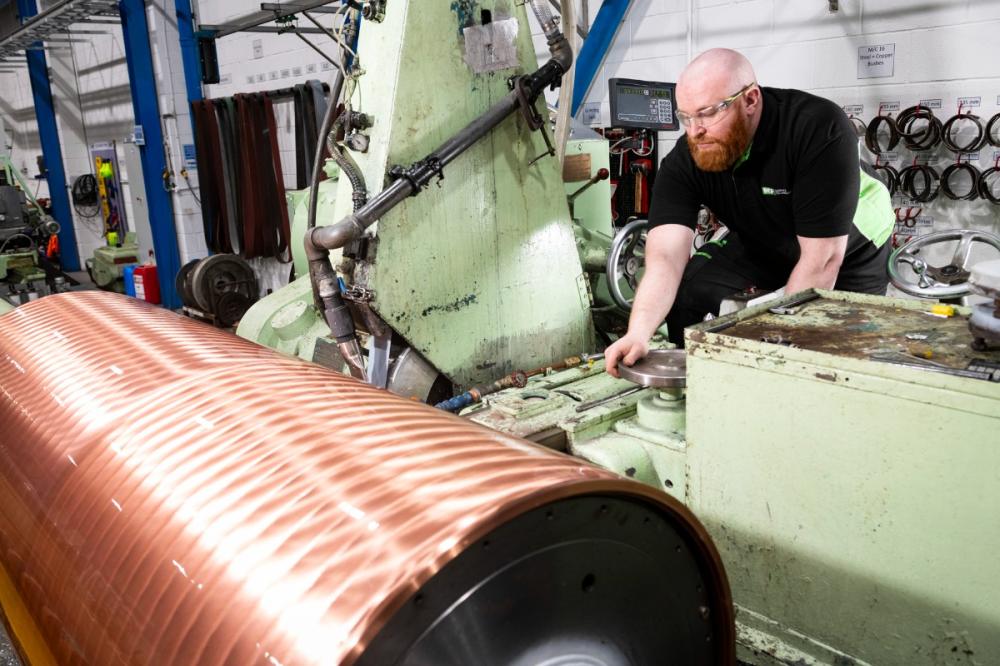
BEP Surface Technologies
"That means investment in machinery and capacity, but equally in apprenticeships, process engineers, skilled operators and the transfer of knowledge from an ageing engineering workforce.
McClusky concluded: "The opportunity for British manufacturing is significant. But success should not simply be measured by how much defence expenditure reaches SMEs. It should also be measured by whether that investment leaves Britain with more engineering capability, more skilled people and stronger domestic supply chains.
"If we get that right, today's increase in defence demand could help rebuild specialist manufacturing capacity that the UK will need for decades to come."
The shortened address for this article is: newspub.uk/120oh
Search Results