


search
date/time

Thu, 1:00AM
light rain
10.3°C
S 17mph
light rain
10.3°C
S 17mph
 | Sunrise | 5:10AM |
| Sunset | 7:11PM |  |
P.ublished 10th April 2026
nature
Garden Birds Need Your Help — But Feeding Them Wisely Matters More Than Ever
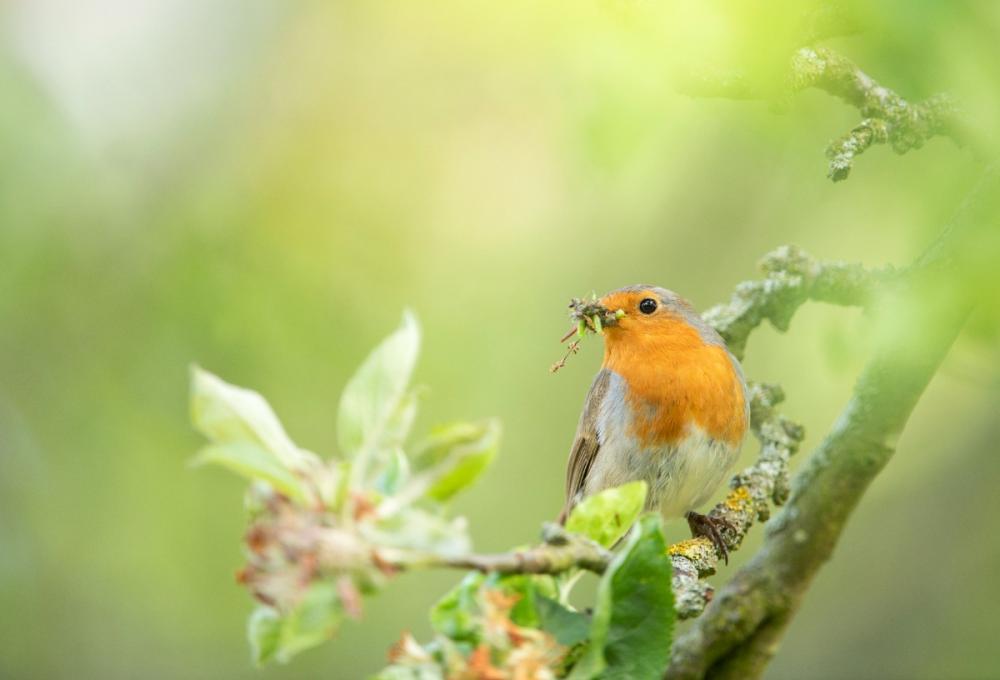
Robin with insect food
Photo: Ben Andrew
The RSPB's Big Garden Birdwatch results are in, and while the familiar faces still top the charts, a troubling decline further down the rankings has prompted the charity to issue new guidance on how we feed our garden visitors
More than 650,000 people across the United Kingdom took part in this year's Big Garden Birdwatch — the world's largest garden wildlife survey — counting upwards of nine million birds from over 80 species during a single hour on the last weekend of January. Across the north of England alone, participation was remarkable: almost 7,000 people in Cumbria, around 49,000 across Yorkshire and approximately 19,000 throughout the North East joined in, making the region one of the most enthusiastic contributors to what has become a beloved annual ritual since the survey began in 1979.
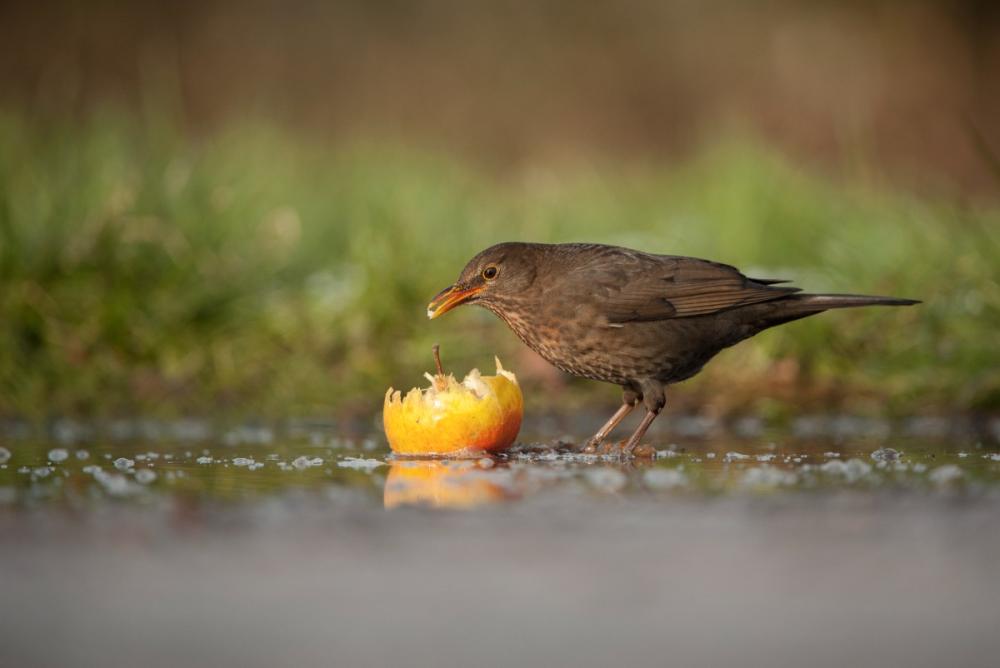
Blackbird feeding on fallen apple
Photo: Ben Andrew
But it is further down the rankings where the survey's more sobering findings emerge. The Greenfinch, once a reliable and cheerful presence at feeders across the north, now sits at a lowly 18th. Since the Big Garden Birdwatch began nearly half a century ago, the average number of Greenfinches recorded has fallen by 67 per cent. Other national surveys paint an equally bleak picture: more than two million Greenfinches have been lost since the mid-1990s, a decline of over 65 per cent that has earned the species a place on the UK Red List.
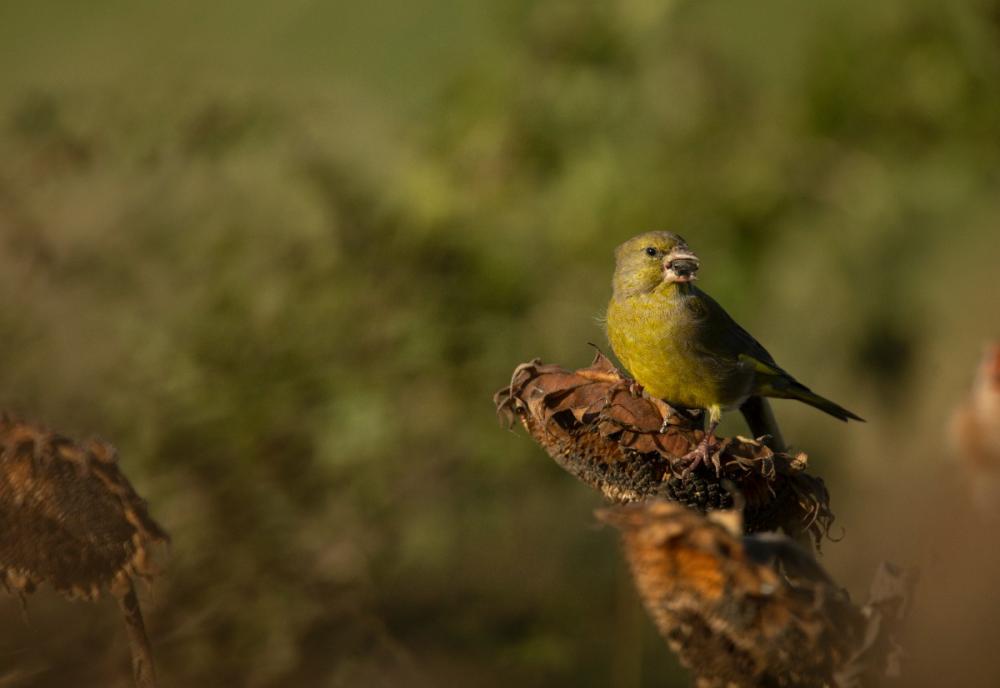
Greenfinch feeding on sunflowers
Photo: Ben Andrew
The RSPB's chief executive, Beccy Speight, is careful not to alarm the millions of households who feed garden birds — but equally clear that change is needed. "Feeding birds is something millions of us love and value," she says, "but the science shows us that birds such as Greenfinches have been affected by the spread of disease at feeders."
Working alongside independent experts, RSPB scientists have conducted a fresh assessment of what garden feeding actually does for bird populations. The picture, they conclude, is decidedly mixed: genuine benefits exist, but so do real risks, and significant questions remain unanswered. The charity is today, Friday 10 April, issuing new guidance built around a straightforward message:
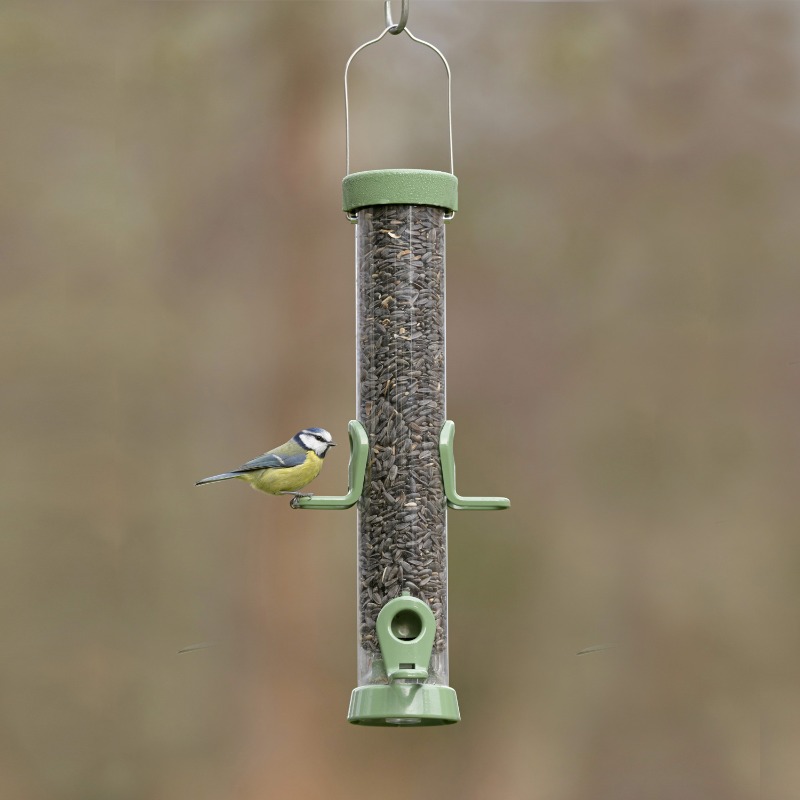
Medium seed feeder with black sunflower seeds
The seasonal element of that advice may surprise some. The RSPB is asking householders to pause filling feeders with seed and peanuts between 1 May and 31 October — precisely the period when disease risk is highest and when wild food sources are in any case more plentiful.
Small amounts of mealworms, fat balls or suet may still be offered year-round.
The hygiene guidance is equally practical. Feeders should be cleaned thoroughly at least once a week and, where possible, moved to a fresh position after each clean, to prevent the build-up of contaminated debris on the ground beneath. Water should be changed daily — tap water only — and baths cleaned weekly. Perhaps most significantly, the RSPB is recommending that flat-surfaced feeders, including traditional bird tables, be retired altogether: research has confirmed that flat surfaces, where infected food can linger and be eaten by successive birds, present a meaningfully higher risk of disease transmission.
Beyond changes to feeding practice, the charity encourages garden-friendly planting — sunflowers, teasels and ivy among the recommended choices — to provide natural food sources and support insect populations.
"We're not asking people to stop feeding," Speight emphasises, "just to feed in a way that protects birds' long-term health. By making small changes together, we can ensure garden feeding continues to be a positive force for nature."
For many northerners, the Big Garden Birdwatch is as much a winter ritual as it is a conservation exercise — a moment of quiet attention to the world just beyond the window. The good news is that attention remains as valuable as ever. It is simply a matter of channelling it a little more carefully.
The top 20 birds in 2026 RSPB Big Garden Birdwatch
| Species | Average count per garden | Rank 2026 | % gardens species recorded in | LONG TERM% change in average count compared to BGBW in 1979 |
| House Sparrow | 3.57 | 1 | 57.1 | -64.3% |
| Blue Tit | 3.12 | 2 | 78.5 | 28.0% |
| Starling | 2.23 | 3 | 31.4 | -85.1 |
| Woodpigeon | 2.21 | 4 | 75.2 | 1003.0% |
| Blackbird | 1.68 | 5 | 71.7 | -58.1% |
| Great Tit | 1.58 | 6 | 56.1 | 75.2% |
| Robin | 1.50 | 7 | 83.1 | -25.2% |
| Goldfinch | 1.38 | 8 | 27.0 | No data |
| Magpie | 1.32 | 9 | 58.0 | 228.8% |
| Long-tailed Tit | 1.19 | 10 | 26.2 | No data |
| Jackdaw | 0.86 | 11 | 23.6 | No data |
| Feral Pigeon | 0.86 | 12 | 19.2 | No data |
| Chaffinch | 0.80 | 13 | 24.8 | -73.3% |
| Coal Tit | 0.76 | 14 | 32.8 | 298.3% |
| Collared Dove | 0.72 | 15 | 30.9 | 156.2% |
| Dunnock | 0.71 | 16 | 38.1 | -11.0% |
| Carrion Crow | 0.69 | 17 | 26.8 | No data |
| Greenfinch | 0.33 | 18 | 12.6 | -67.2% |
| Wren | 0.27 | 19 | 22.2 | 68.6% |
| Great-spotted Woodpecker | 0.11 | 20 | 9.2 | No data |