


search
date/time

Sat, 4:00AM
broken clouds
10.1°C
WSW 0mph
broken clouds
10.1°C
WSW 0mph
 | Sunrise | 5:00AM |
| Sunset | 7:27PM |  |
P.ublished 7th March 2026
cars
How To Care For Your Classic Car
Tim Winton, Cambrian Classics
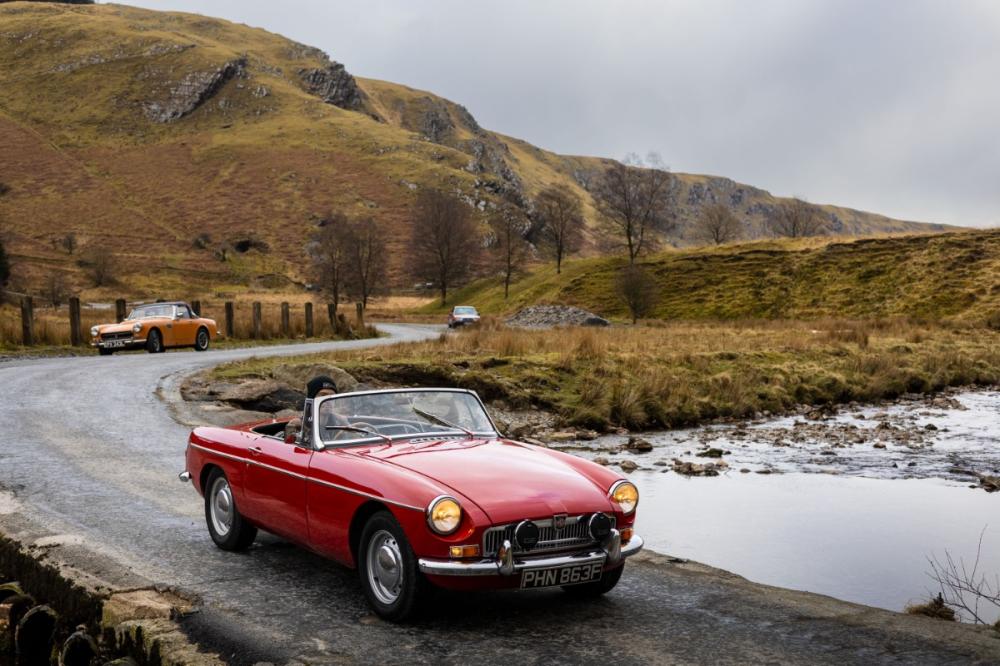
Cambrian Classics Cambrian Mountains
Our experience of maintaining, repairing and restoring classic cars of all ages is that many of the issues we see are avoidable, and many of the expensive failures start with small issues that were either missed or misunderstood. Here’s a guide bringing together the core principles we advise Cambrian Classics customers on every day.
.JPG)
Tim Winton
You don’t need to be an expert to be an effective owner.
The more familiar you are with your car—its smells, noises, fluid levels and behaviour—the quicker you’ll spot when something changes and develop an instinct for when something isn’t right.
One of the biggest misconceptions in classic ownership is that less use equals less wear. In reality, cars that sit unused develop more problems than cars that are driven regularly.
Classic cars leak—they always have—and they need more frequent owner checks than modern vehicles. A few seeps and drips are normal. The key is recognising when it becomes excessive or suddenly worsens.
Annual Servicing – oil and grease are cheaper than parts and labour.
Every classic car should be serviced at least once a year, regardless of how few miles it has covered. Oil degrades with time as well as use. Condensation builds up inside engines, especially if a car is only started occasionally or run briefly in a garage. Fuel contamination from cold starts and choke use also finds its way into the oil.
Engine oil is only part of the story. Gearbox and rear axle oils are frequently overlooked, and many owners have no idea when they were last changed – if ever.
It’s also critical to use the correct oil. Some classic gearboxes use engine oil, others specific gear oils. Many modern gear oils contain additives that can attack the brass and bronze components commonly found in classic gearboxes and differentials. Using the wrong oil can cause long-term damage.
If in doubt, check the manufacturer’s specification or seek specialist advice before filling anything.
.JPG)
Antifreeze isn’t just about preventing freezing. The corrosion inhibitors it contains protect the engine internally, and these additives wear out over time – typically within four years, depending on the product used.
Coolant can still look clean and test acceptably for frost damage while internal corrosion has already begun. By the time coolant turns brown, the damage is well underway: blocked waterways, failed head gaskets, and internal corrosion are common consequences.
Changing coolant at sensible intervals is cheap insurance. Also, make sure the coolant used is the correct type for the car – 99% should be using blue antifreeze.
Rubber Components: The Silent Ageing Problem
Classic cars rarely wear these parts out through mileage – they age them out instead.
Tyres should ideally be less than ten years old, regardless of tread depth. Always check both sidewalls and tread for cracking or perishing. It’s very unusual for a classic to wear tyres out before they degrade.
Fuel hoses are a major safety concern. There is a lot of poor-quality hose on the market, often poorly labelled. We strongly recommend ethanol-resistant hose, ideally Gates Barricade R14. R9 can be acceptable but has a shorter lifespan.
Hoses should be firm but flexible – not hard and brittle, and not soft or spongy. Perished hoses are a major cause of breakdowns and fires.
Glass fuel filters with screw-on ends are another risk: the O-rings degrade and leak. If fitting an inline filter (a good idea on older fuel tanks), use modern one-piece disposable plastic filters instead.
Brake hoses, radiator hoses, steering rack gaiters, track rod end boots, suspension bushes – all rubber components should be checked carefully. A car restored ten years ago may still look pristine, but rubber parts may already be ageing. Additionally, rubber-to-plastic sheathing on wires can go brittle and crack or break, leading to short circuits and potential fire risk; have these checked over too.
Once this initial inspection and rectification work is done, future servicing becomes far simpler and cheaper.
Weather and Salt
Don’t be afraid of rain – getting the car wet is better than not using it. Salt, however, is the real enemy. Avoid driving on salted winter roads wherever possible.
If a car must be driven on salty roads, wash the underside afterwards with a hose or low-pressure washer to remove residue. Underseal and cavity wax offer protection, but they are never perfect, especially inside box sections.
Recondition or Replace?
Reconditioning original components is often overlooked. In some situations, original components were often built to higher standards than modern reproductions, and refurbishment can restore them to reliable service for years to come.
For brakes in particular, having original cylinders or servos rebuilt can be more cost-effective—and often better quality—than fitting unknown aftermarket copies.
We’ve seen cases where reconditioning original parts cost less than replacing them with poor-quality reproductions. It’s always worth exploring all options.
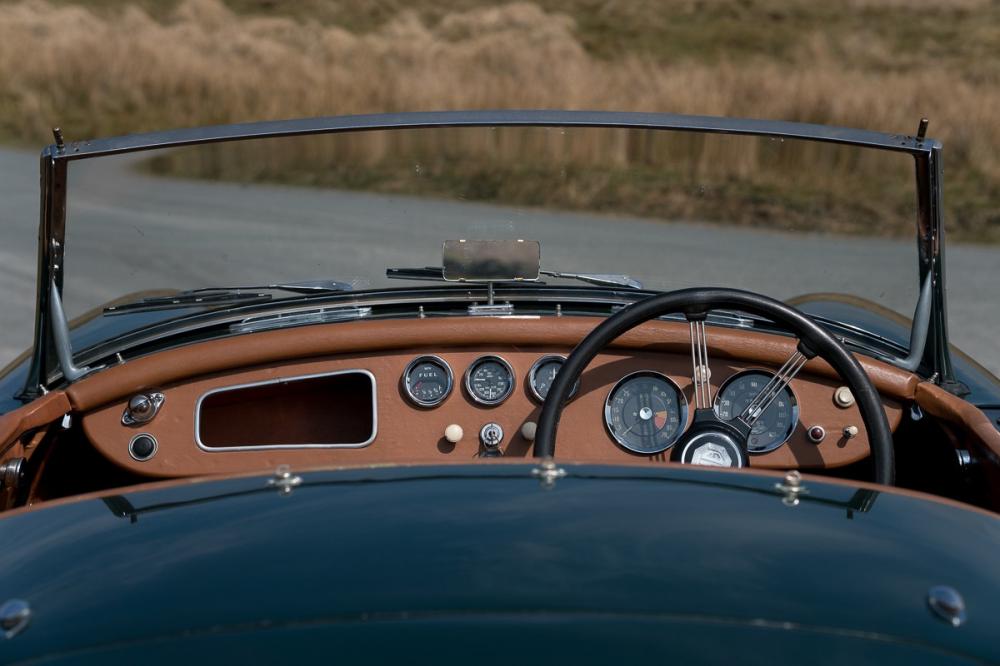
Interior trim is often harder to restore than mechanical components, so preventative care matters.
Use appropriate products to feed and protect leather, vinyl and rubber. Brands such as Autoglym and Gliptone offer proven solutions that keep materials supple and prevent cracking.
One of the simplest preventative measures is also the most overlooked: stay clean. Working under a car and then climbing inside without thinking can permanently stain trim. Use seat covers, wear gloves, and avoid transferring oils and grease into the cabin – some marks are almost impossible to remove.
Corrosion: The Real Enemy
Corrosion is one of the most expensive issues in classic ownership, and it often starts where you can’t see it.
Paintwork gets attention, but the underside matters far more. Floors, sills, box sections, wheel arches and chassis rails take constant abuse from road dirt and moisture.
Even chassis-based cars are not immune. Box-section chassis rot internally, often unseen, and structural corrosion can affect seatbelt mounts, suspension mounting and other critical areas.
An MOT is a minimum safety standard, not a guarantee of condition – but it’s an excellent annual check. Owners should also discuss corrosion inspection with whoever services the car.
Loose underseal, bubbling paint or stone chips should be addressed early. A small repair now is far cheaper than welding and repainting later. As the saying goes, a stitch in time saves nine.
If you can see rust, it’s almost always worse underneath. Steel corrodes from the inside out, and visible rust is often just the tip of the iceberg.
.JPG)
Classic cars are made of steel, rubber and mechanical components that age simply by existing. Caring for one isn’t about chasing perfection, it’s about understanding how deterioration happens and staying one step ahead of it.
Regular use, proper maintenance, informed parts choices and preventative care will keep a classic reliable, safe and enjoyable. And above all, don’t be afraid to ask questions – learning about your car is part of the enjoyment.
Web: https://www.cambrianclassics.co.uk/
The shortened address for this article is: newspub.uk/11ylb
Search Results