


search
date/time

Tue, 4:00AM
overcast clouds
15.9°C
WSW 8mph
overcast clouds
15.9°C
WSW 8mph
 | Sunrise | 3:47AM |
| Sunset | 8:43PM |  |
P.ublished 2nd May 2026
nature
How To Enjoy International Dawn Chorus Day
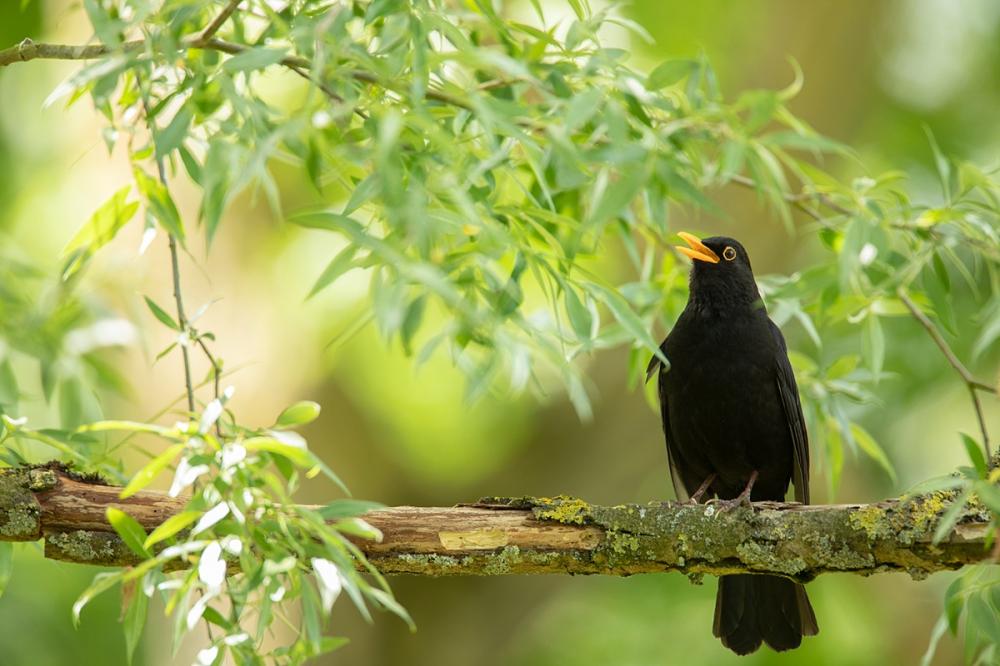
Blackbird in full song. Image by Ben Andrew
With the days growing steadily longer and warmer, spring is unmistakably here. One of its most uplifting spectacles is the Dawn Chorus, a symphony of birdsong created by dozens of species, with mostly male birds singing to demonstrate their fitness to female partners and to mark their territory ahead of the breeding season.
With a growing cast of performers – which swells as migratory species (such as Chiffchaff, Nightingale, Blackcap, Cuckoo) arrive in the UK and sing alongside our resident species – the Dawn Chorus builds from March onwards, typically peaking in early May time. Ahead of International Dawn Chorus Day on Sunday May 3, the RSPB is sharing its tips on how to identify key singers, and the best spots from across its Yorkshire nature reserves to experience the highlight of ‘nature’s party season’.
Whilst the daily crescendo of Dawn Chorus peaks around an hour either side of sunrise - with birds taking advantage of the still, clear early morning air, which also carries sounds further – you can still experience these uplifting sounds throughout the day. And if heading outdoors at the crack of the day isn’t so feasible, simply throw open a window to bring the chorus in.
Meanwhile at RSPB Bempton Cliffs, near Bridlington on East Yorkshire’s coast, visitors can experience Dawn Chorus with a seabird twist on Sunday 3 May. The event starts at 6am but organisers say getting up early will be worth it. Expert guides will take visitors around the grasslands and down to the spectacular cliff tops to listen for Skylarks, Whitethroats, Yellowhammers and Sedge Warblers. Visitors will be able to see the Guillemots, Razorbills and Puffins, and the Gannets will be preening themselves on the cliff ledges, before heading inside for a breakfast bap and warm drink.
All RSPB Dawn Chorus events must be booked in advance.
RSPB birdsong expert Adrian Thomas has some easy steps to follow to begin some simple bird ID and get the most out of this year’s Dawn Chorus.
5 Key Singers from the Dawn Chorus, and how to ID
Blackbird: The master soloist. It sings short verses, each only 2-4 seconds long, with a rich, confident tone. Whistle back to him and he may incorporate your favourite phrase into his song!
Robin: As with the Blackbird, the Robin has short melodious verses, each different. But the tone is more liquid, with slow, still notes then gushing with gurgles and trickles. The Robin is the most likely common garden bird to sing by streetlight, making some people think they've heard a Nightingale.
Great Tit: The rhythm section. Most typically sings a seesawing 'teacher teacher' refrain over and over again,. Each male may have half a dozen different song types - having a repertoire of material impresses the female more than a one-trick singer, but also makes other males think there are lots of males on that territory.
Wood Pigeon: The bassist. It sings a deep, lowing 'I don't want to go, I DON'T want to go, I DON'T want to go, I." It barely opens its beak as it sings as, with all good singers, it is all from the chest.
Great Spotted Woodpecker: The percussionist. Drumming on a hollow tree or telegraph post performs much the same function as a song - a message to announce your presence to a mate, and to say 'This is my territory'. It also helps them tell males from females - males drum more often and each drum is longer and stronger.
Now is the time - March to the end of May are the key three months, and on a warm, fine day is best.
If you can pop out at dawn, great. But most birds will continue to sing on and off throughout the day so just enjoy it whenever you can.
The Dawn Chorus is usually closer than you think – chances are you can experience it in your own garden, from your kitchen window or your local park. But if you want to treat yourself, head to a large green space to hear it in all its full glory.
This year, many nature reserves across the RSPB network are flinging their doors open to run dedicated events to help you enjoy the Dawn Chorus. The expert-guided events cater to all inclinations – from pre-dawn meets for the early birds among us, to later kick-offs for our ‘Not Quite The Dawn Chorus’ walks, for those who’d prefer to not be up with the lark in order to hear it!
View RSPB Dawn Chorus events from here and please note that booking is essential.
https://bit.ly/RSPBReservesDawnChorusEvents
Book RSPB Saltholme’s guided Dawn Chorus event here: Dawn Chorus Walk at Saltholme