


search
date/time

Thu, 7:00AM
light rain
12.8°C
SSW 7mph
light rain
12.8°C
SSW 7mph
 | Sunrise | 6:12AM |
| Sunset | 5:48PM |  |
P.ublished 23rd August 2025
lifestyle
Levens Hall Cumbria
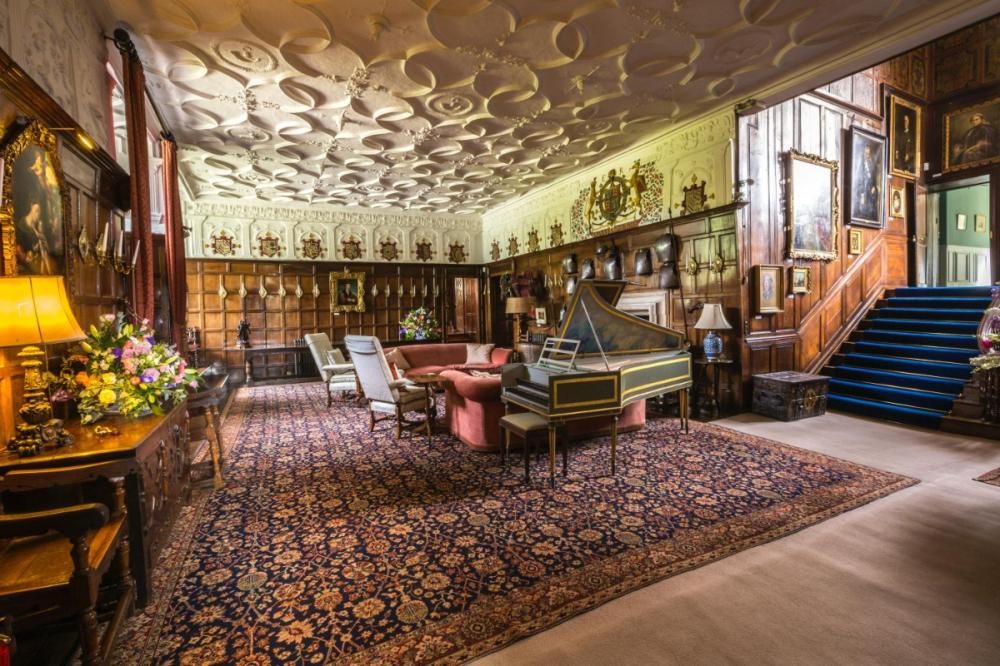
Many visitors find it difficult to tear themselves away from the glorious gardens to step indoors. According to one of the passionate Hall guides, Sarah Miller, if that is what they do, they are “missing out” on an “absolute treat”.
Sarah detailed all that the Hall has to offer most brilliantly when recording a 2023 podcast. In this, she also stated that Levens Hall is “a treasure trove of artwork and architecture, furniture and stories and history unfolding before your very eyes.”
Now, she and the other Hall guides, including owner Richard Bagot, who often leads tours around his family home on request, are determined to make the house as well-appreciated as the gardens.
That may seem a tall order, considering that the gardens contain a variety of remarkable aspects, including the world’s oldest topiary garden. If you delve into what the Levens house has to offer, however, the decision to visit both house and garden may soon become a simple one to make.
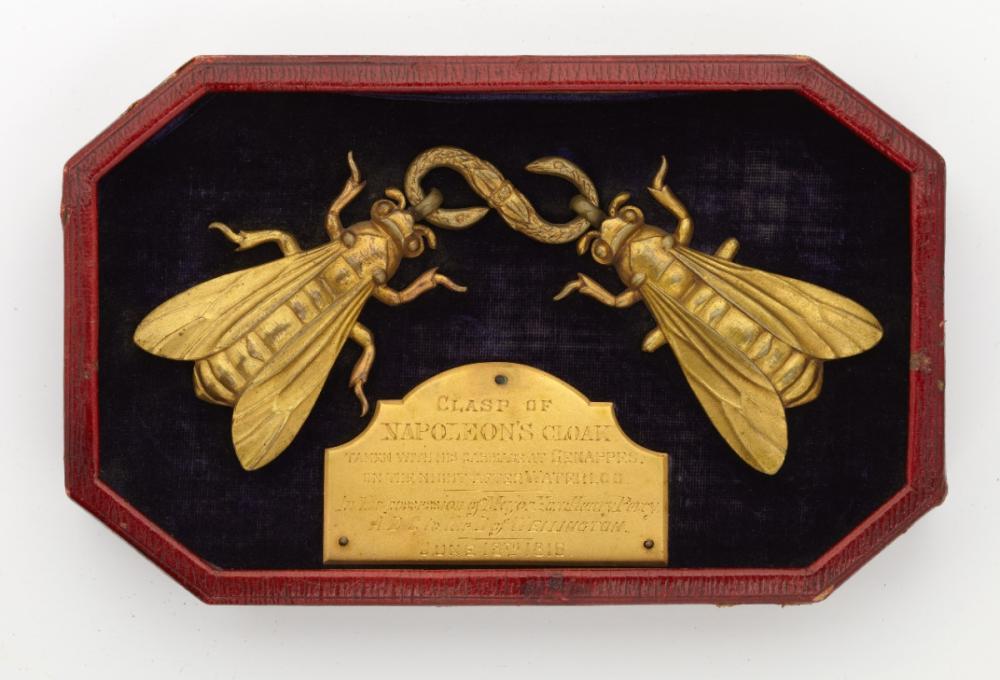
Move around the house and the unfolding of history continues. Some of that relates to the Elizabethan period and is evidenced in glorious carved overmantles, which seem to get more and more splendid as you move around. The overmantle in the Small Drawing Room is truly spectacular and ornate, depicting the senses, the seasons and the elements, as well as displaying the coat of arms of the Bellingham family, who owned the property in the 17th century.
Learning how some furnishings worked in practise is another joy, with this being true of items such as a travelling writing cabinet, designed to screw down within a carriage, to avoid it being taken away.
Another item conveys early medical history and is always a favourite with the children. This is the bleeding chair, in which leeches would be placed on the owner of the house at the time, Colonel James Grahme, to carry out the blood sucking that was believed to cure all ills.
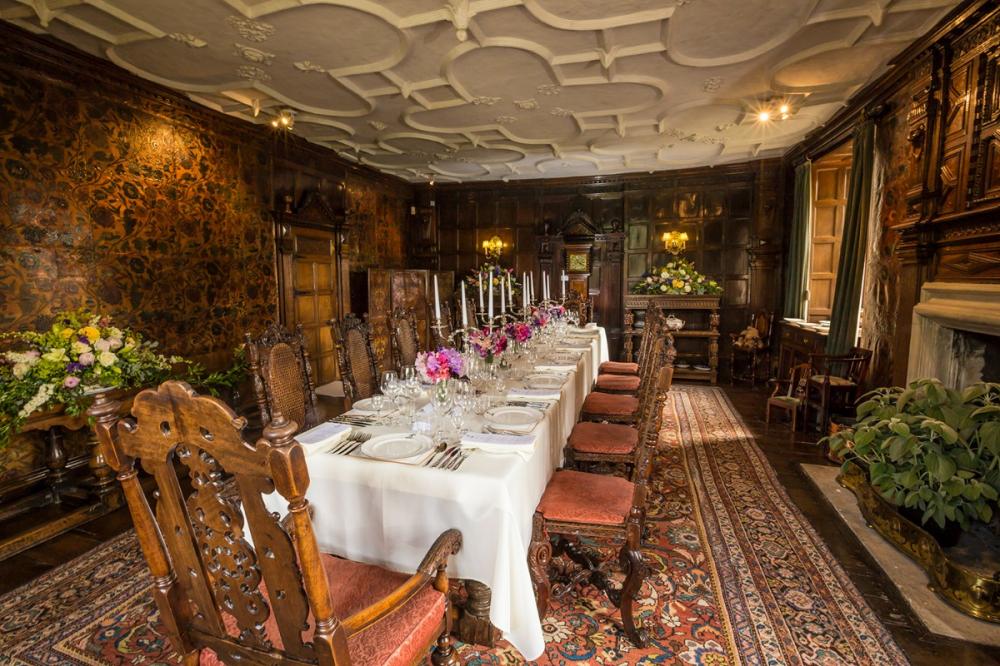
Richard Bagot says, “Sometimes it feels as if we are hiding our light under a bushel when it comes to the house, where there is just so much to see and learn about. We are determined to put that right as we head into late summer and autumn, enticing more people indoors. If they do venture inside, there are so many treats, from Cordova leather wallpaper, some patterns within which have never been found elsewhere, to early examples of swivel chairs in the form of Dutch Burgermeister chairs.”
One thing that visitors to the house must spot, the minute the step outside again, are the symbols of the ace of hearts on the downpipes. There is another story to be explored there and all they need do, if they wish to know about it, is ask.
“A curious mind is everything here,” says Richard Bagot. “Almost every item can delight and surprise, if you ask the right questions. Looking at the items is not enough. You need to discover their purpose and their backstory and then it is as if history falls into place.”
Visiting Levens Hall on a ticket that includes access to both house and gardens costs £16.45 for an adult, £5.50 for a child and £41 for a family ticket for two adults and up to three children aged 5-16. The house opens for general admission at 11am and closes at 3.30pm, with last entry at 3pm.
Those wishing to book a tour should call the Levens Hall office on 015395 60321, extension 211.
The shortened address for this article is: newspub.uk/11wad