search
date/time

Sun, 1:00AM
light rain
14.2°C
W 13mph
light rain
14.2°C
W 13mph
 | Sunrise | 3:41AM |
| Sunset | 8:38PM |  |

Ian Garner
Business Writer
P.ublished 4th April 2026
business
Mind Your Manners, A British Traveller’s Guide To Etiquette Abroad
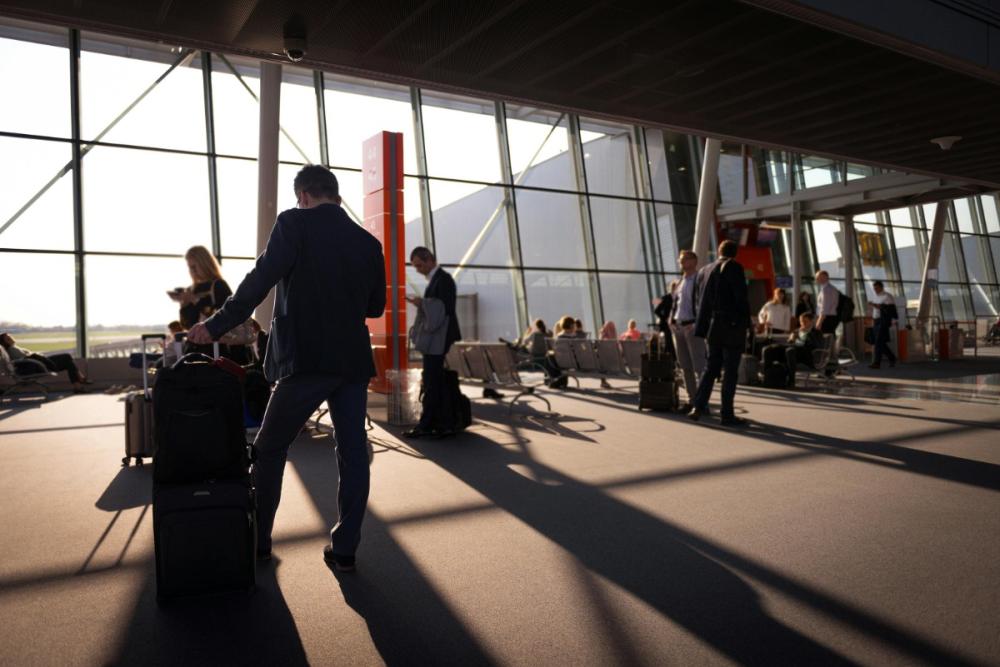
Photo by Magic K: Pexels
For British travellers renowned for politeness, orderly queuing and frequent apologies, stepping outside the UK can bring challenges that require a little adaptation.
Navigating the nuances of etiquette not only prevents awkward moments but also fosters positive experiences and friendships wherever you go.
Spain, a permanent favourite for UK tourists, stands out for its distinctive rhythm of life. On the Costa del Sol or the Balearic Islands, such as Mallorca, the biggest adjustment is often timing. Locals dine late; it’s not unusual for dinner to begin at 9pm or even later, and afternoon siestas mean shops may shut for several hours.
Arriving at a restaurant at 6pm or complaining about closed shops can mark you as a tourist.

The same principle applies in France. In cities like Paris, a polite “Bonjour” before any conversation is essential, even if your French is limited.
Meals are leisurely affairs, and rushing through them or asking for the bill straight away is frowned upon. Take your time and enjoy the experience.
Italy has its own quirks; modest dress is expected in churches, and ordering a cappuccino after mid-morning is a tell-tale sign of a tourist. Observing these traditions shows respect for local culture and enhances your visit.

Image by OpenClipart-Vectors from Pixabay
Queuing is another area where British instincts may be challenged. While an orderly line is sacred at home, many southern European countries take a more relaxed approach. Pushing forward rarely works; patience and gentle assertiveness are key.
Volume also matters; lively conversation is part of the holiday spirit, but late-night noise in residential areas, like Ibiza or Portugal’s Algarve, is unlikely to be appreciated by locals. Keeping noise levels down shows consideration for those who live there.
Venturing further afield, cultural awareness becomes even more important. In Dubai, modest dress is expected in public, and public displays of affection should be discreet.
During Ramadan, eating or drinking in public during daylight is discouraged. In Morocco, conservative clothing and respectful behaviour in medinas and mosques are essential for visitors.
Asia offers its own set of etiquette rules. In Bangkok, avoid touching anyone’s head, as it’s considered sacred, and always show respect towards images of the Thai monarchy. When entering temples, cover shoulders and knees, and remove shoes.
In Japan, attention to detail is paramount, bowing is customary, tipping is unnecessary and often misunderstood, and silence is expected on public transport. Observing these norms creates a positive impression and makes your stay smoother.
Even in long-haul destinations like Barbados, local laws can surprise visitors. Camouflage clothing is restricted in some Caribbean countries, and the relaxed pace of island life rewards patience and flexibility.
So, how can British travellers ensure they are considerate guests wherever they go? Preparation is key. Research local customs before departure and learn a handful of phrases, even a simple greeting is appreciated. Observe how locals behave in restaurants and on public transport and follow their lead. Respect religious observances and local sensitivities and be mindful of environmental protections.
Ultimately, good etiquette abroad isn’t about abandoning British identity but about recognising that we are visitors. A willingness to adapt, listen and show respect opens doors to warmer interactions and richer travel experiences. After all, good manners, wherever in the world we practise them, never go out of style.