


search
date/time

Sun, 1:00AM
clear sky
14.2°C
E 4mph
clear sky
14.2°C
E 4mph
 | Sunrise | 4:02AM |
| Sunset | 8:31PM |  |
P.ublished 18th July 2026
family
Mothers Are Right To Be Angry, But Their Anger Is Often Misdirected
Dr. Lorin Lakasing, author of Delivering the truth: Why NHS maternity care is broken and how we can fix it together

Maternity
Image: Pixabay
The public are right to feel that they have been let down, but by focusing their anger solely on key individuals they have interacted with in healthcare settings, they are missing the wider problems. In the background lurks a long list of contributing factors, some internal within the health service, others external, that have played their part in unsatisfactory outcomes.
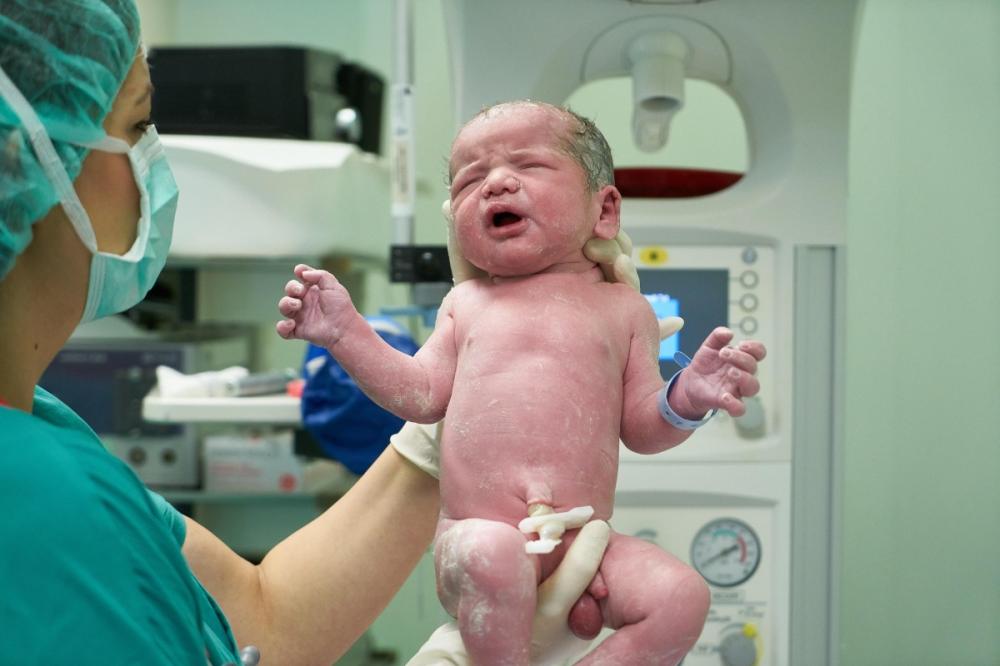
Delivery
Image: Pixabay
Shortcomings in care start long before a woman gets pregnant because in the UK, preconception clinics are rare. Maternity care typically is accessed once pregnant, but this misses the importance of women’s general wellbeing prior to pregnancy. Stopping contraception safely; a healthy diet; vitamin supplementation; a body mass index within the normal range; advice about smoking, drugs or alcohol; the optimal control of underlying conditions such as asthma, diabetes, epilepsy, or thyroid disease all give women a great starting point because they enter pregnancy better able to deal with the challenges ahead. But for most this “starting point” is pushed well into the first trimester and usually means an online booking system which often fails to prioritise appointments properly or channel women into the correct care pathway.
Once in the system, tests are offered according to nationally agreed protocols. Healthcare systems everywhere are under pressure to use resources wisely and this affects screening policies which involve trade-offs between detection rates, false positives, downstream interventions, and patient acceptability.
However, unlike many other developed countries, the UK does not offer routine screening for a range of conditions. This includes trisomy screening using cell free DNA, and population-based screening for congenital infection, gestational diabetes or Group B Streptococcus. Similarly, undertaking serial growth scans in the third trimester to help detect extremes of fetal size or assess placental function is not standard practice. Instead, contingent or selective screening programmes are favoured and whilst these may be more cost-effective in the short term they will by definition miss some cases and lead to undiagnosed problems and potentially contribute to avoidable harm.
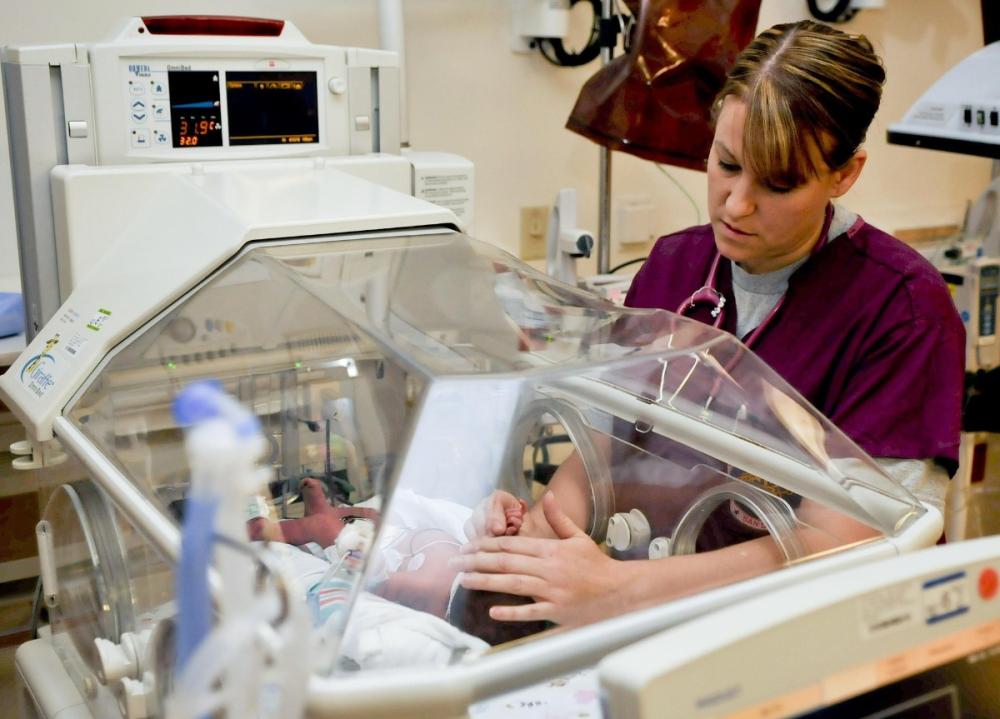
Incubator
Image: Pixabay
Short appointment times and seeing different staff at each appointment are unsatisfactory. Many mothers feel frontline staff appear to be permanently glued to computer screens and never look them in the eye. Whilst the software generated mandatory fields might be populated, many feel their questions have not been addressed so they begin to look elsewhere for answers.
The most commonly used adjective to describe NHS services is “underfunded” but this is simply an excuse that hides a much more sinister problem that no-one has the appetite to address. Funding for maternity care has increased enormously over the last two decades but the service continues to deteriorate. This is because NHS resources are not always mobilised to achieve the best clinical outcomes for patients.
For many decades, the focus for maternity management teams has been to ensure value for money and adopt clinical safety strategies that placate healthcare commissioners and regulators. In practice this means implementing processes which sound good in theory but absorb vast resources and prioritise back-office roles rather than frontline care. This leads to fewer clinically active staff as most are siphoned off into managerial roles. It also leads to reduced capacity and micromanagement of a service in which the meagre “left-over” resources that trickle down onto the shop floor are utilised as best as possible. Unsurprisingly, this leaves many frontline staff frustrated and burnt out, feeling enslaved to a system of care which prioritises targets and league tables over patient outcomes. Speaking up can have dangerous consequences, so silence prevails and problems go on for longer.
Poor infrastructure and maintenance backlogs make matters worse and result in maternity units often operating in disconnected spaces or even on split sites. Despite the managerial positive propaganda and sound bites to the contrary, the inevitable consequence is lack of continuity of care, lack of senior clinical leadership, staff working in siloes, no oversight, poor workflows, poor communication, delays in getting patients seen and confusion amongst service users as to where to go if concerns arise. Many NHS maternity units are frequently “on divert” which contributes to the poor experience felt by many women as they are shunted back and forth between neighbouring units. Families do not generally mind travelling long distances for very specialist care, but most are transferred for routine care which causes inconvenience to many.

Staff at work
Image: Pixabay
Given the state of the frontline service, it is unsurprising that many women turn to online sources for advice, information and guidance. These are inviting, friendly and accessible 24/7 but the information they provide is frequently inaccurate and almost always fails to provide individualised guidance. Parent education classes and social narratives around birthing mostly focus on the so-called “low risk” birth. These are powerful, even coercive, but often set unachievable ideals.
Feelings of disappointment are often greatest around the time of admission. Simply getting admitted seems to be the first in a series of hurdles. Women describe being told to stay at home or being repeatedly sent away despite voicing concerns. They blame midwives for being lazy or unwilling to help without necessarily appreciating the underlying pressures imposed by inadequate staffing and insufficient capacity. Some are routinely left for long periods of time without attention, many assessments seem incomplete and mothers often describe being dismissed, but they need to appreciate that the frontline service is largely provided by inexperienced staff who are few in number and work largely unsupported because senior staff are predominantly stuck in administrative roles.
Inductions of labour can be a stop-start process which is exhausting and can seem futile but is often a consequence of disrupted pharmaceutical supply chains or lack of sufficient monitoring equipment. Administration of pain relief is often seen as too little too late. The sounding of an emergency buzzer is hardly the zen experience women and partners hoped for but in the event of a poor outcome many wonder why swift action was not taken sooner.
Patients often describe what should have happened, actions that would have saved their baby yet seem able to dissociate this with the anti-intervention narratives they subscribed to prior to delivery. They do not always appreciate how stressful midwives find it to counter the directives laid out in a mother’s birth plan, or how much objection many mothers raise when presented with an alternative if complications arise. Staff are sensitive to accusations of fearmongering if they discuss risks or of dismissing maternal choice if they challenge requests. There is a natural tendency to listen more to what we want to hear and overlook what we think is irrelevant or unlikely.

Grief
Image: Pixabay
The net effect of the deficiencies and inefficiencies in care, and the misinformation and disinformation, is often a great deal of disappointment, anger or grief and calls for retribution.
But who should be held accountable?
The national screening committee who limited antenatal tests which might have alerted the mother to a problem? The management team who allocated funds to tick-boxing processes ahead of the CQC inspection rather than buying new equipment or employing more frontline staff for the unit? The Trust leadership team who promised that “lessons will be learnt” following previous incidents?
Or what about the antenatal class instructor who promised an empowering experience controlled perfectly by nature? The online birthing guru? The yoga teacher? The neighbour, best friend or older sister?
No, these people rarely become the target of ire because none of them were present providing direct care. The fact that they all played a pivotal role in creating the conditions in which care is delivered or the ideology that set the mother up for failure is overlooked. Only the frontline staff present in the room with the mother at the time of the crisis are held responsible.
It is certainly true to say that poor maternity outcomes are often, but not always, avoidable. But to avoid them requires everyone to be on the same page and unafraid to speak out. Mothers have quite rightly been given the space to have their say. Their anger, whilst entirely justifiable, is often misdirected at the frontline staff who could undoubtedly do better in some cases but at present simply feel like the fall guys. If we are to have any hope that matters will improve, mothers and their relatives will need to look beyond their rage and dig much deeper to identify other key contributors to this complex problem and commit to tackling them.

Dr Lorin Lakasing
Web: https://lorinlakasing.com/publications.html
Amazon: https://amzn.eu/d/g1dX9rh