


search
date/time

Thu, 7:00AM
light rain
7.0°C
W 6mph
light rain
7.0°C
W 6mph
 | Sunrise | 6:51AM |
| Sunset | 4:58PM |  |

Andrew Palmer
Group Editor
P.ublished 26th September 2026
nature
North Basks In 'Painted Lady Summer' – But Butterfly Experts Fear A Crash Next Year
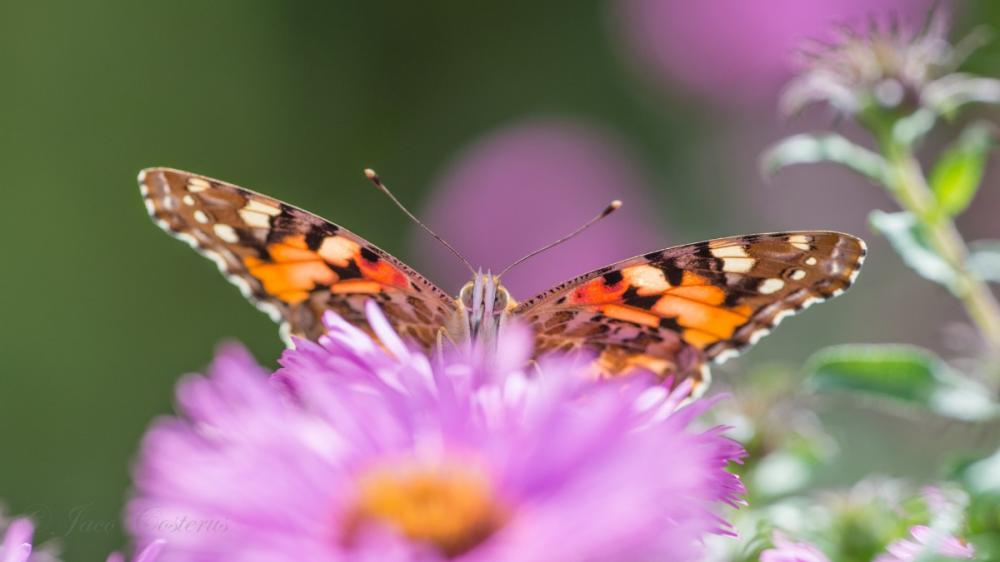
Painted Lady
Photo: Jaco Costerus - Butterfly Conservation
The results of Butterfly Conservation's 2026 Big Butterfly Count show it was a very good summer for butterflies across the North of England.
Across Yorkshire, Lancashire, Northumberland and Tyne and Wear, 11,747 people took part, spotting 160,890 butterflies and day-flying moths during the three weeks of the Count.
Yorkshire led the way. In its four counties, 8,309 recorders logged 118,330 sightings. Lancashire followed, with 2,259 people spotting 27,765. In Northumberland, 621 people recorded 8,652, and in Tyne and Wear 558 people counted 6,143.
The Small White, often called the 'Cabbage White' because its caterpillars feed on cabbages and other brassicas, was the most-spotted butterfly in Yorkshire, Northumberland and Tyne and Wear. In each case the Large White came second and the Red Admiral third. Lancashire bucked the trend: there the Red Admiral, with its black wings and vivid orange-red bands, took top spot, ahead of the Small White and the Large White.
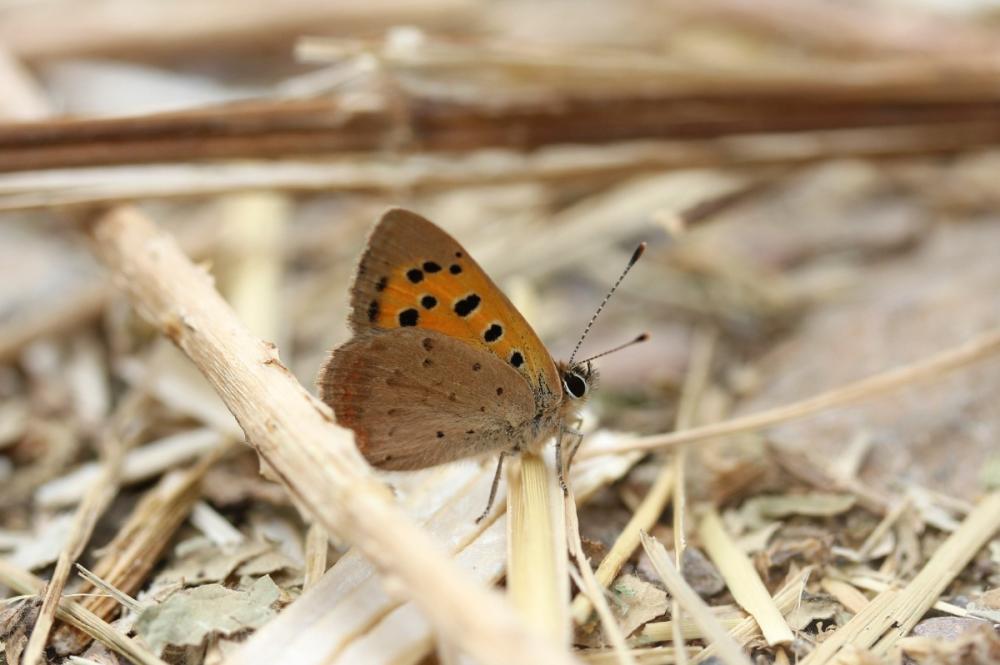
Small Copper in a very dry landscape - Photograph: Pete Hughes
The strong numbers are likely down to excellent conditions for caterpillars in the spring, followed by the hot, dry weather adult butterflies love. However, experts warn that what comes next could be dire.
The Met Office has said this is 'increasingly likely' to be the hottest summer on record. In August, the UK's National Drought Group declared that more than 70% of England was officially in drought, and almost all of the UK was drier than usual. Many of the plants caterpillars depend on withered or died before the caterpillars had finished feeding, and the charity fears the full impact on butterfly and moth populations will become clear in 2027.
Adult butterflies love hot, sunny weather for flying, feeding and breeding, and that's exactly why people saw so many this summer. However, the very same weather that made it a good year for butterflies – lots of sunshine and very little rain – could mean we're actually on course for a population crash, which could take years to recover from.
The extreme droughts in 1976 and 1995 had severe impacts on butterfly populations, with some species never fully recovering. And the major problem we have now is that 80% of the UK's butterflies have declined since the 1970s, so many are already struggling for survival, without these extreme weather pressures.
With increasingly hot, dry summers and droughts predicted to become more and more frequent due to climate breakdown, degraded habitats and already depleted butterfly populations, some species may be pushed further and faster towards extinction, which is a very sombre thought. They are, quite simply, less resilient to these events, which means we could be looking at very difficult years ahead.
Drought-proofing gardens for butterflies
Butterfly Conservation is asking people across the North to take three simple steps in their gardens this winter to help caterpillars, and in turn butterflies and moths:
Plant more trees and shrubs. Holly, Ivy and Buckthorn are among the best choices. Holly and Ivy together support the Holly Blue, and flowering Ivy is a valuable late-season nectar source for the Red Admiral and Comma, as well as bees, moths and hoverflies. Buckthorns feed the caterpillars of the Brimstone, whose sunshine-yellow adults often herald the spring. Oaks, Hawthorn, birches, apples and willows host a wide range of native moth caterpillars. All are low-maintenance and give shade and shelter during heatwaves. Once established, their deep roots help them cope with dry conditions.
Set up water butts. Collecting rainwater through autumn and winter gives you a reserve for key plants in a dry summer. With numerous hosepipe bans in force in 2026, preparing now could make all the difference next year.
Leave patches of grass to grow long. Uncut grass roots more deeply and stays green longer than a closely mown lawn. It also provides foodplants for the Speckled Wood, Meadow Brown and Gatekeeper, and gives butterflies cooler, damper refuges during heatwaves. Butterfly Conservation's research found that gardens with a patch of long grass saw up to 93% more butterflies and a wider range of species.
For more butterfly-friendly gardening tips, visit www.butterfly-conservation.org
Also by Andrew Palmer...
Leeds Song Festival Looks Inward For 2027 – And Finds A World Of MusicClassical Music: Schmitt: Orchestral WorksClassical Music: Encores for Mr ScottsClassical Music: Marcel DupréClassical Music: Vaughan Williams A Sea SymphonyThe shortened address for this article is: newspub.uk/1211j