


search
date/time

Wed, 10:00PM
overcast clouds
17.4°C
SSW 8mph
overcast clouds
17.4°C
SSW 8mph
 | Sunrise | 3:37AM |
| Sunset | 8:46PM |  |
P.ublished 28th May 2026
frontpage
North West Equals The Average In Lifesaving STEM Cell Donor Registrations
But Charity Urges Action On World Blood Cancer Day
Cecil with his son
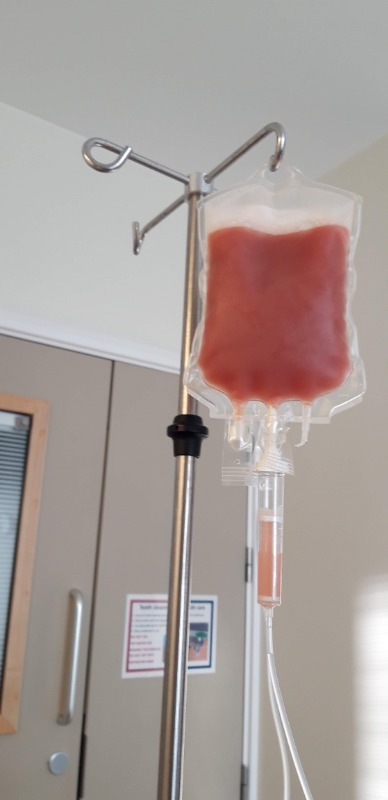
1.Blood cancers are the third most common cause of cancer death in the UK.
2.At any one time there are around 2,000 people in the UK in need of a stem cell transplant.
3.Of those registered, only 16 % are from UK minority ethnic backgrounds. This makes it more difficult for patients from these backgrounds to find a match
As the UK marks World Blood Cancer Day on 28 May, DKMS is calling on people across the North West to take action, and help to give people with blood cancer and serious blood disorders a second chance at life by joining the stem cell donor register – which takes just minutes to do.
Every 14 minutes, someone in the UK is diagnosed with blood cancer. For many patients, a stem cell transplant from a matching donor is their best or only chance of survival – but only a very small proportion of the UK population are currently registered as potential donors.
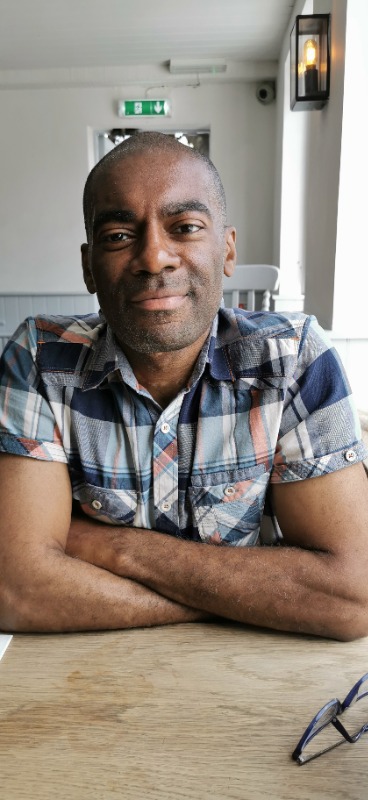
Cecil
“I have a son, and as a father, I feel like I still have so much more to do,” he says. “My friends and family are worried for me, but more than anything, I want to be around for my son.
Everyone aged 16-55 and in general good health is eligible to join the stem cell register, but for Cecil, it’s especially valuable for people with Caribbean heritage like him to sign up. Finding a stem cell donor match strongly correlates with ethnic background – most patients will have their transplant from someone with a similar heritage to them.
However, just 16% of registered stem cell donors in the UK are from any ethnic minority background, and patients of colour face longer waits and worse outcomes when they need a stem cell transplant.
“Because I have Jamaican heritage, finding a match isn’t straightforward,” Cecil explains. “It’s part of the reason I’m so keen to get my story out there and encourage people to register.”
Cecil’s condition is progressive, and eventually his need for a donor will become urgent. He hopes that by sharing his story now, he can help ensure he – and others like him – have hope of the best possible chance when the time for a stem cell transplant comes.
“Someone out there could be a match for me, or for someone else in my position,” Cecil says. “I think that sometimes, people assume someone else will be the one step forward, but it doesn’t work without action. We need more people to take that step, and join the stem cell donor register. It only takes a few minutes.”
For World Blood Cancer Day, hope starts in the North West – we’re calling on people across the region to get on the stem cell donor register. When a patient needs a stem cell transplant, most will not find a donor in their immediate family. Patients like Cecil will rely on finding a stranger on the register who is a compatible stem cell match, and who can offer them hope of a second chance at life. Joining the register means that you could offer that lifeline for someone in their time of greatest need. Most people will never be called to donate, but if you are, you have the potential to save someone’s life, and DKMS will support you every step of the way.
Cecil is marking World Blood Cancer Day with DKMS UK by encouraging people to order a free swab kit via the DKMS website (dkms.org.uk), complete simple mouth swabs, and return them to be added to the register.
Signing up to the stem cell donor register is a quick and easy process involving some painless cheek swabs: if you are aged 16-55 and in general good health, you're eligible to join the register with DKMS. If you are then matched with someone needing a transplant, in nine out of ten cases donating is a simple, outpatient process similar to donating blood platelets, with support throughout from DKMS.