


search
date/time

Wed, 1:00PM
scattered clouds
13.7°C
E 4mph
scattered clouds
13.7°C
E 4mph
 | Sunrise | 4:24AM |
| Sunset | 7:50PM |  |
P.ublished 10th April 2026
frontpage
Unpaid Carers ‘£160 Worse Off A Month’ As Carer’s Allowance Fails To Keep Pace With Rise In Earnings

Photo by Mikhail Nilov: Pexels
Analysis of ONS data by Carers UK shows that Carer’s Allowance, currently £86.45 per week or £374.62 on average per month, would be worth around £123.48 a week or £535.08 every month if the benefit had kept pace with rises in average earnings since 1976.
While benefits are not typically linked to earnings growth, the widening gap highlights the real financial pressures carers face as living costs continue to rise. With gas and electricity bills averaging around £147 per month for a typical UK household - and prices expected to rise further this year - the gap is roughly equivalent to the cost of heating and powering a home.
Carer’s Allowance, paid to people providing at least 35 hours of care a week to a family member or friend who is older, disabled or has a long-term health condition, is the lowest benefit of its kind - equivalent to just £2.47 an hour.
Meanwhile, 62% of Carer’s Allowance recipients, around half a million carers, are living in poverty. More than 600 people give up work every day to care, often putting their own financial security at risk. Many of these households also face higher living costs linked to disability and long-term health conditions.
Research from Carers UK shows that nearly half of carers (49%) have cut back on essentials such as food, heating, clothing and transport over the past year. A third (32%) have taken on debt by using credit cards, bank loans or overdrafts, while 84% say their energy bills have increased.
Carers UK, then known as the National Council for the Single Woman and Her Dependents, led the campaign to establish Carer’s Allowance in 1976 which was first introduced at the rate of £7.90 a week. But in the 50 years since, society and the wider economy have changed significantly.
Recently the government has increased the earnings limit to 16 times the National Living Wage and is proposing a taper to remove the “cliff edge” earnings threshold, which is a positive step forward, but there are other elements of the benefit that still fall short of what carers need.
To mark the 50th anniversary of the benefit, Carers UK is now calling for a comprehensive review of Carer’s Allowance and related benefits. Members of the Carer Poverty Coalition, led by Carers UK, have sent a letter to the Secretary of State asking for a review which examines how caring intersects with employment, financial security and social security to ensure it properly values and supports all unpaid carers.
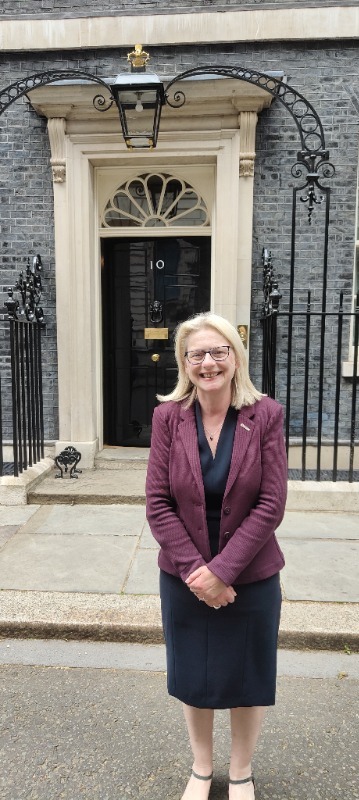
Helen Wlaker
These figures are concerning because we hear regularly from carers who are providing far more than the 35 hours of care required to qualify for Carer’s Allowance while struggling to make ends meet. Many tell us that their income simply isn’t enough to cover the basics.
With an ageing population, the demand for care is growing rapidly. Unpaid carers are increasingly stepping in to fill the gaps, often providing intensive support and managing complex health conditions. 62% of current and former carers say they had no choice in taking on the role because no other care options were available.
Too many carers are being pushed into financial hardship because the support available has failed to keep pace with rising wages and living costs. Fifty years on from the introduction of Carer’s Allowance, it’s time for a full review to ensure the benefit properly recognises the vital role carers play and provides the financial security families need to keep caring.