


search
date/time

Sat, 1:00PM
light rain
17.1°C
W 15mph
light rain
17.1°C
W 15mph
 | Sunrise | 5:26AM |
| Sunset | 6:54PM |  |
P.ublished 5th September 2026
business
What Strawberries, Mackerel And Coffee Beans Can Tell Us About The Future Of UK Food Supply
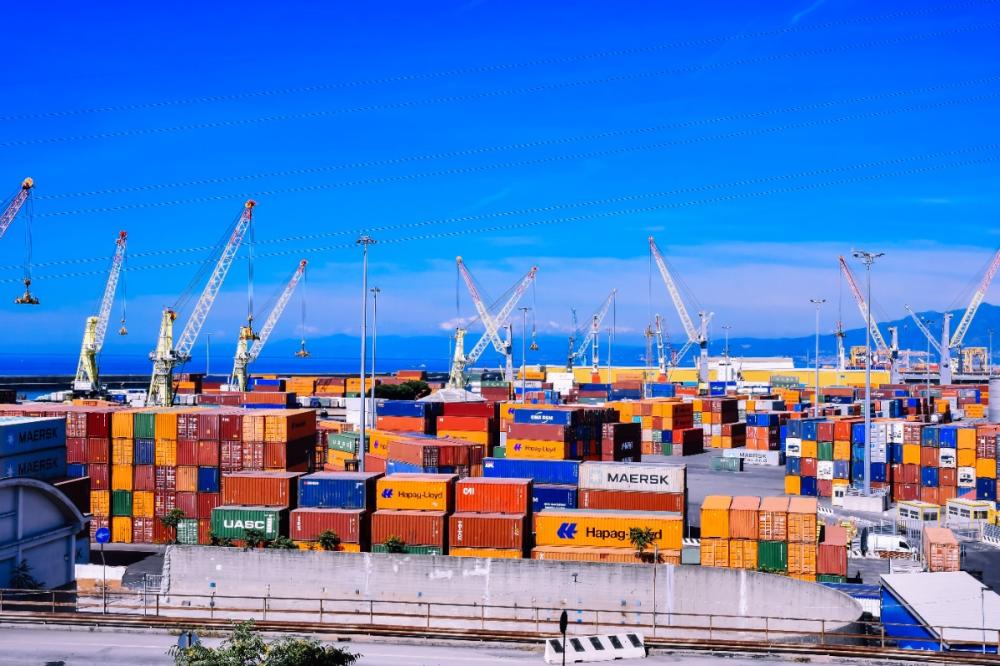
Photo: Andrea Musto on Pexels
Recent periods of extreme heat have caused significant disruption to production and supply chains, while flooding has left warehouses out of action and further disrupted crop yields. In 2025, Yorkshire experienced one of the driest starts to a year in almost a century and consequently faced its earliest harvest since 2006. Climate-related food supply issues have been exacerbated by geopolitical volatility, which has bled into supply chains, further impacting costs and availability.
These disruptions can cause issues throughout the food supply system. Unusable warehouses prevent food from being processed and distributed, while reduced crop yields heap pressure on transport, refrigeration and energy systems. Meanwhile, geopolitical volatility in the form of sanctions and trade restrictions can limit access to crops and forces shipments onto longer or more expensive routes.
These incidents are not isolated, and sadly, more occurrences are likely in the years to come. To manage exposure to mounting pressures from home and abroad, UK food suppliers must improve their resilience to supply chain disruptions.
Closing the resilience gap
Only recently, British MPs demanded the full publication of a redacted report revealing that overseas ecosystems could collapse in five years if the current environmental and geopolitical dangers were not addressed, with potentially devastating implications for global food supply.
Yet many businesses remain poorly prepared. For example, SCALA’s most recent report found that just 33% of senior supply chain leaders have the strategies required to weather disruption. Meanwhile, 52% had only partially implemented these strategies, while 14% hadn’t begun the process. For food manufacturers, this could potentially translate into additional disruptions with lower predictability, as previously available ingredients become harder to obtain.
Short-term responses, such as hastily switching suppliers or increasing safety stock to mitigate against delayed deliveries, will soon prove inadequate. If drought reduces production at the same time as conflict impacts access to fertiliser or transport routes, firefighting these issues simultaneously won’t hold back the tide of disruption. To weather industry volatility, we must put in place lasting resilience plans - before it’s too late.
Strengthening domestic production
Extreme weather is already having a worrying impact on the UK’s domestic food production. In a 2025 report, the Climate Change Committee described global warming as the biggest medium-to long-term risk to UK food production, as extreme weather creates crop yield instability and higher costs for farmers.
One thing that UK suppliers can zero in on going forward is innovation on home soil. What we’ve seen with strawberries is a successful example of this. The use of protected growing systems like polytunnels extends growing seasons for UK-grown crops like strawberries by protecting produce from extreme weather and providing the warm conditions for them to thrive. We can also see pockets of innovation here in Yorkshire. For example, Yorkshire-based tomato producers, Yorkshire Grown Produce, utilise sustainable glasshouse technology and natural resources like water and insects to curate ideal conditions for reliable, nutritious tomato production.
Investments like these are a great way of strengthening domestic production without placing unsustainable pressure on land, water or farmers’ finances.
Building a more resilient import strategy
Having said this, equal attention must also be given to import strategy. An assessment carried out by World Animal Protection found that the continued destruction of vital ecosystems around the world means the UK will struggle to compete with rival nations for resources. With domestic food production also constrained by seasonal limits, businesses need to plan more carefully for how and where imports are sourced.
When it comes to fishing, for example, while mackerel is the top species brought into the UK domestically, haddock supply is more dependent on imports. Shrimp and other shellfish are also typically imported from global suppliers. Significant consumer demand, coupled with domestic catch capacity, means that international supply chains will remain essential in this sector.
Import sources will need to become more climate-aware and diverse going forward to account for both weather and geopolitical instability. Here, diversification will make all the difference. Businesses need a broader mix of import markets and routes, so if one country or region falls victim to drought, flooding, conflict or transport disruption, other workable import routes will ensure food supply is not suddenly vulnerable to shortages.
Preparing for price volatility
Even when food supply is physically available, costs may continue to rise dramatically. International conflict, extreme weather, and trade restrictions all contribute to the chain reaction which creates a surge in food prices. Here, the UK is likely to be particularly vulnerable given our continued dependence on imported goods. Even domestic farmers rely on imported inputs like fuel and animal feed. As a result, global shocks from geopolitical conflicts or tariffs are likely to cause surges in domestic prices.
This is where coffee beans are an interesting case study to highlight. The price of coffee beans depends on harvest and market conditions in tropical producer countries. Drought and extreme heat in these regions can reduce yields, disrupt supply and push up costs, particularly given the climate vulnerability of coffee. Yet many businesses remain unprepared; looking at the bigger picture, SCALA’s report found that 57.1% of firms were poorly prepared for natural disasters such as drought, while 9.5% were ill-equipped for transport disruption.
Businesses should build price volatility into contingency plans by modelling the impact on margins and cash flow, reviewing alternative suppliers and transport options, and setting clear trigger points for action. Cost-to-serve analysis can also show which products or routes become unprofitable as costs rise.
Protecting the future of UK food supply
The lesson we can learn from strawberries, mackerel and coffee, then, is that there is no single route to resilience. Short-term solutions to disruptions need to become a thing of the past, and resilience plans must be developed before it becomes too late.
Some products offer opportunities to increase UK production through better technology and infrastructure. Others will continue to depend heavily on international trade. Across both, businesses need a clearer understanding of their suppliers, logistics networks and exposure to climate and geopolitical risk.
Businesses need to invest in resilience now, seeking specialist supply chain support where they do not have the capacity or expertise to assess their exposure independently.
The shortened address for this article is: newspub.uk/120td
Search Results