


search
date/time

Sat, 4:00AM
moderate rain
12.0°C
WNW 17mph
moderate rain
12.0°C
WNW 17mph
 | Sunrise | 6:29AM |
| Sunset | 5:26PM |  |

Ian Garner
Business Writer
P.ublished 10th October 2026
business
Why Corporate Culture Is Now A Competitive Advantage

Image by Thirdman on Pexels
Corporate culture has swiftly moved from being a “soft” notion discussed in workshops to a strategic priority for modern organisations.
Once considered little more than a line in the company handbook, culture now stands as a genuine driver of organisational success.
Today’s businesses are navigating rapid technological advances, evolving workforce expectations and persistent economic uncertainty, making culture increasingly vital to performance and resilience.
In this fast-paced environment, the influence of corporate culture extends far beyond internal morale. It sets the tone for innovation, shapes customer relationships and bolsters organisational resilience. Simply put, culture is now a competitive edge, an asset that can distinguish companies in crowded markets.
Unlike a mission statement on the wall, corporate culture comprises shared values, behaviours and attitudes that shape how decisions are made, how teams collaborate and how leaders steer the business.
Strategy and technology remain essential, but it’s culture that ensures those plans are put into action and maintained over time. A strong culture brings consistency, accountability and a sense of unity, helping teams focus on collective objectives, especially during periods of change.
One of the most visible advantages of a positive culture is its impact on talent.

Image by Gerd Altmann from Pixabay
Retention is just as critical. When staff feel valued and connected to their organisation’s purpose and values, they are more likely to stay, reducing turnover and the costs associated with recruitment. Cultures that foster ongoing learning and development help businesses stay agile, with employees remaining engaged and contributing fully to company goals.
Innovation, too, is closely tied to culture. Creativity is stifled in rigid environments; it thrives where teams are encouraged to experiment, challenge norms and learn from mistakes. Leaders who promote curiosity and empower their teams to take calculated risks see new ideas flourish. Innovative cultures are quick to spot new opportunities and adapt to changes, remaining agile in turbulent markets.
The benefits of a strong culture reach beyond the organisation and are felt by customers and partners. Engaged employees tend to deliver outstanding service, and their enthusiasm naturally strengthens customer relationships. In an era of instant communication and social media scrutiny, a company’s internal culture is visible to the outside world. Businesses known for ethical behaviour, transparency and responsible leadership build trust, a powerful differentiator in any industry.
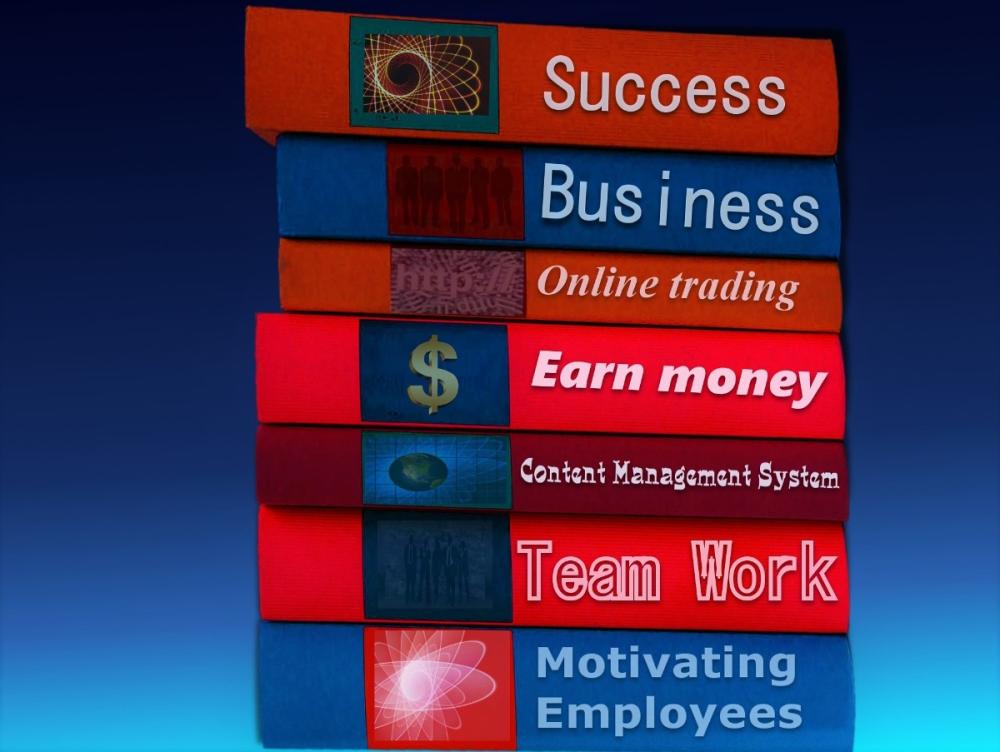
Image by kalhh from Pixabay
Organisations with robust cultures adapted quickly, supported employees and sustained operations. These cultures encourage collaboration, accountability and problem-solving, helping businesses navigate unpredictability. Increasingly, resilience is linked to sustainability, with companies that champion ethical practices and long-term thinking better placed to meet the expectations of modern consumers and employees.
Corporate culture is no longer a peripheral issue. It is a core asset that influences talent acquisition, innovation, customer service and the ability to weather challenges. Companies that invest in building and sustaining a positive culture enjoy advantages across every facet of their operations. As competition intensifies and expectations continue to evolve, culture will remain central to long-term success. For organisations today, the message is clear: culture is not just part of business, it’s one of its most powerful drivers.

Also by Ian Garner...
Standing Your Ground, Handling A Workplace Bully With ConfidenceHubris, The Subtle Risk In Entrepreneurial AchievementWhy Resistance To New Technology Is Nothing New And What It Means For Your BusinessThe New Reality Of Work, Knowing When It’s Time To Move OnThe Changing Face Of Remote Working, Insights From British BusinessesThe shortened address for this article is: newspub.uk/12168